Small Things, Big Impact: Details That Create a Magical Wedding Atmosphere
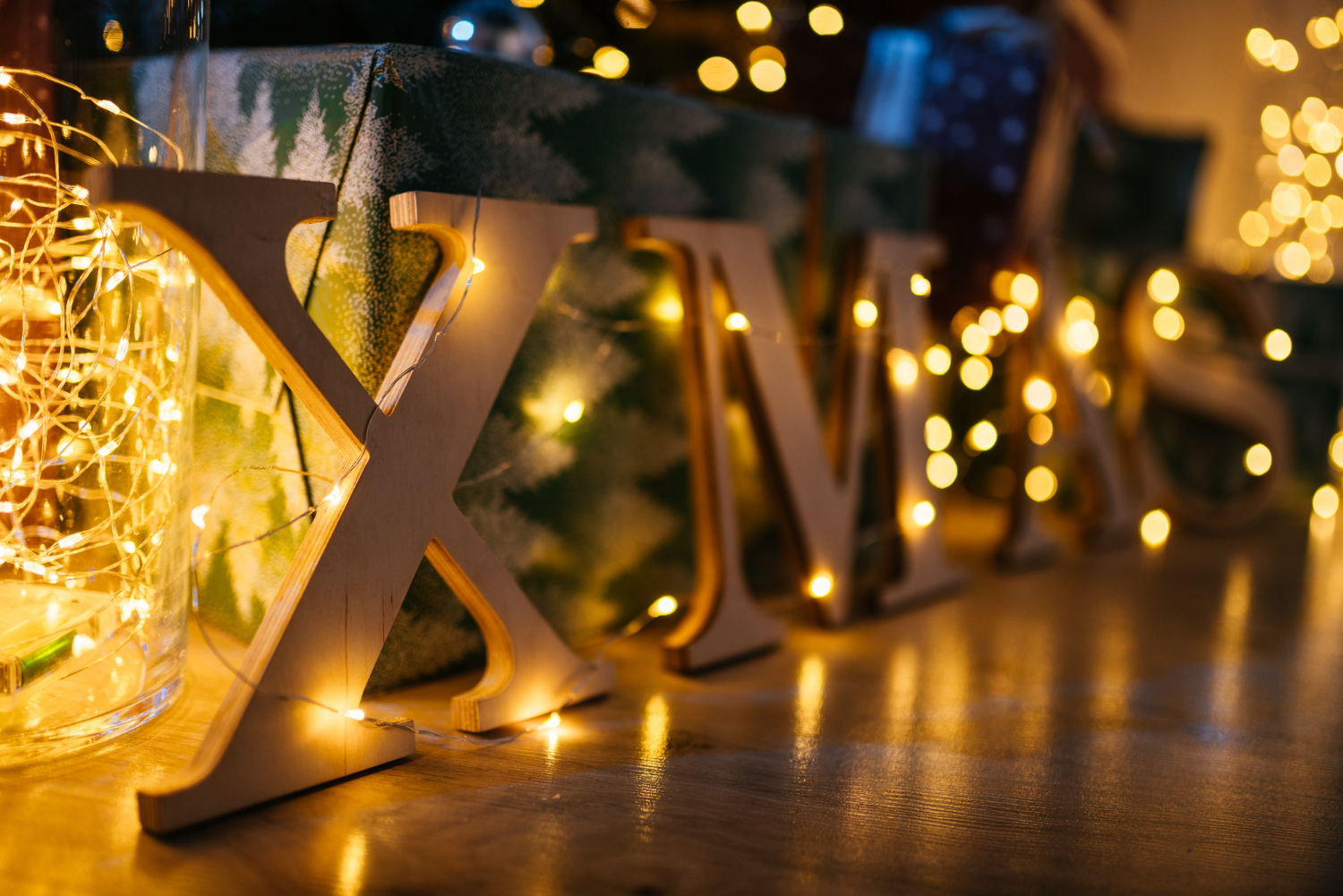
When planning your dream wedding reception, couples usually focus on the major aspects – choosing the venue, the menu, the dress, and the dance music. These are the obvious pillars of a successful wedding, but equally important are the small details that build the wedding atmosphere and often remain in the shadow of the main attractions. It is worth remembering that magic lies in the details: the subtle glow of candles, a favorite scent lingering in the air, or a sentimental corner with old photographs can evoke guest admiration and make this day truly unforgettable. In the following guide, we will look at "small big things" – often overlooked elements of decoration and wedding setting that have a huge impact on the mood and perception of the party. Step by step, we will advise you on how to use lighting, scents, background music, nostalgic accents, and personalized details to create a unique wedding vibe. Get ready for a solid dose of specific advice – from technical solutions to creative ideas – thanks to which your wedding will take on a unique character. Take care of these details, and you will create an atmosphere that guests will remember for years.
Table of Contents
- Magical Lighting – The Key to an Atmospheric Reception
- Scents That Create Memories – The Magic of Smell at a Wedding
- Atmospheric Background Music – The Soundtrack to Your Reception
- Nostalgia Corner – Family Memories as Part of the Decoration
- Personalized Details – Stationery and Favors Creating a Cohesive Vibe
Magical Lighting – The Key to an Atmospheric Reception
Types of Lighting to Build the Wedding Vibe
One of the most powerful yet subtle tools for creating a party atmosphere is wedding lighting. Properly selected light can transform any hall into a fairytale scenery or a romantic oasis, so it's worth knowing the different types of lighting and utilizing their potential. Candles are a classic among light decorations – they provide a warm, flickering light that instantly warms up the space and adds intimacy. You can use small tealights in glass holders scattered across tables, tall taper candles in elegant candelabras on the main Head Table, or floating candles in water bowls, which look beautiful at the entrance or on the buffet. Lanterns are another idea – available in various styles (retro metal lanterns, wooden boxes with a candle inside, or even oriental-style paper lanterns) they allow you to safely display the candle flame while being a decoration in themselves. Placed along the path leading to the entrance or in the corners of the room, they will make the space cozy. In recent years, LED garlands, or fairy lights – often called cotton balls or simply decorative string lights – have gained huge popularity. Such garlands can be hung over the dance floor like a starry sky, wrapped around pillars, or hung between trees during an outdoor wedding. They provide soft, diffused light that creates a magical mood, especially after dark. In addition, professional settings often use architectural lighting, such as LED uplights or PAR lamps, which highlight walls, ceilings, or decor elements with color (e.g., lighting behind the newlyweds' table in a color matching the theme). Don't forget about the impressive chandeliers and ceiling lights already existing in the venue – if the place has beautiful lamps, it's worth incorporating them by dimming or replacing bulbs with warmer light. Each type of lighting carries a different vibe: candles are associated with a romantic dinner by firelight, lanterns with the rustic warmth of a home hearth, and LED garlands with the carefree nature of a summer evening in the garden. By combining these elements thoughtfully, you can build a multi-layered, cozy atmosphere that will enchant guests at first sight.

Impresja No. 10 Wedding Invitation – Eucalyptus and Gold Foil

Minimalist Wedding Invitation Pattern No. 3 – Lavender and Gold

Lauren No. 4 Wedding Invitation – Boho Style with Camel Envelope
Matching Lights to the Style and Time of Day
When choosing wedding lighting, it's not enough to just pick pretty lamps or candles – the key is matching the lights to the style and time of day of the reception. A different type of light will work for an intimate boho wedding in nature than for an elegant ball in palace interiors. First of all, pay attention to the wedding theme and the decorations you plan. If your party has a rustic or boho vibe, string lights hung between trees, mason jar lanterns wrapped in jute, and plenty of candles set on wooden stumps will be a hit – such natural lighting fits perfectly into the casual style and blends with wood, lace, or wildflower decorations. On the other hand, for a glamour wedding or a classic elegant banquet, it's better to opt for crystal chandeliers, stylish candelabras and sconces, and professional wall uplighting in a chosen color, which will emphasize the luxurious character of the ballroom. Matching the lighting to the time of day is equally important. A wedding starting in the full sun of a summer afternoon will initially rely mainly on natural daylight – it's worth taking care of light curtains or blinds to diffuse harsh sunlight so the interior is pleasantly lit but not glaring. As dusk falls, artificial light will take over as the main source of visibility and mood, so planning a "lighting scenario" can be helpful. For example, you can arrange for garden garlands and terrace lanterns to turn on automatically at sunset, while inside the hall, the main chandeliers are gradually dimmed in favor of lit candles on tables and decorative light points. If the reception takes place in winter when it gets dark quickly, artificial lighting will be key from the very beginning – then the warm color of bulbs and candle flames will warm up the cold evening. For outdoor weddings, it's also worth having a backup plan for weather conditions: e.g., hurricane lanterns in case of wind (which protect the candle flame) or solar lights that charge during the day and glow after dark without needing cables. Remember that the lighting style should go hand in hand with other decor elements – visual consistency will make the entire arrangement look professional and polished. If, for example, eucalyptus greenery and white candles in gold holders dominate the tables, continue this theme in the space lighting: perhaps add green light garlands wrapped around ceiling beams or gold lanterns on windowsills. Similarly, adjust the light intensity to the moment of the wedding – during dinner, the light can be slightly brighter (though still warm and non-glaring) so guests can see their meals, and during the first dance, it can be dimmed, focusing attention on the couple on the dance floor. Harmony between lighting, style, and timing will ensure the decor blends with the rhythm of the wedding and naturally builds the mood at the right moments.

Aurum No. 1 Wedding Place Cards – Purple Freesia and Peony Floral Table Cards

Glamour Wedding Place Cards No. 1 – Satin Name Cards with White Print

Avril No. 10 Wedding Place Cards – Gilded Glamour Table Name Cards
Practical Tips: Candles, Lanterns, or LED Garlands?
Now that we know what types of lighting are available and how to match them to the wedding style and time of day, it's time for practical tips on implementing these ideas. Couples often wonder what to choose: candles, lanterns, or LED garlands? The answer is paradoxical – it's best to use a combination of all, maintaining moderation and common sense. Candles work great on tables and in lounge areas (e.g., on coffee tables in the guest lounge corner), but it's worth remembering safety. If children will be present or if you're placing candles in high-traffic areas (aisles between tables, near the dance floor), it's better to opt for LED candles imitating a real flame – modern models flicker like real ones and provide warm light without the risk of fire or spilled wax. In sheltered places, such as the center of the table or on a fireplace mantel, you can safely burn real candles, but ensure stable holders and drip protectors to prevent wax from staining. Lanterns are a good choice if you want to add light to various corners of the hall or outdoors. Practical tip: choose lanterns with glass panes or covers, especially outdoors – this way the wind won't blow out the flame. You can use larger lanterns to accentuate the entrance (two large lanterns on either side of the door make an impressive impact) and smaller lanterns hung on tree branches or pergolas if part of the reception is in the garden. LED Garlands require advance planning for power supply and placement. Check if you have access to outlets in the chosen spots or invest in battery/rechargeable garlands. Remember that long strings of lights may require extension cords – secure the cables so no one trips over them (run them along walls or under carpets, or mark them with tape). Test all lighting before the wedding: do the bulbs in the garlands work (always have spares), are the batteries in the LED candles charged, are the candle lighters handy and working (it's worth assigning ushers or staff to light the candles just before guests arrive so they don't burn out too early). When placing light sources, remember even distribution – e.g., if one whole side of the hall is beautifully lit with candles and the other is in semi-darkness, the effect will be strange. It's better to spread smaller groups of lights in different parts so the whole gains balance. Another practical tip: consider the height of the light placement. Light at different levels (on the ground, on tables, high overhead) will create a more interesting effect than everything just at the ceiling. Therefore, combine high-hung garlands with floor-standing lanterns and table candles – the space will gain depth. Finally, although this is a guide about details, it's worth mentioning working with a professional: if the budget allows, use the services of a lighting designer. Such a person has not only the equipment (spotlights, controllers to change colors during the event) but also the experience of where and how much light is needed. They can, for example, program the lighting to change to a more party-like color after midnight or advise on how to highlight venue features (e.g., emphasize a beautiful vault or architecture with light). Regardless of whether you work with a pro or on your own, pay attention to lighting – it is the key to building an atmospheric reception where guests will feel the magic from the first minutes of the wedding.

Soy Candle Rubin No. 1 – Foiled with Flowers and Wedding Favours

Golden Fortune Cookies with Personalized Label | Affordable Wedding Favours | Cejla No. 3

Simple No. 3 Soy Candle – Gold Foiling & Elegant Wedding Favours
Scents That Create Memories – The Magic of Smell at a Wedding
Fresh Flowers and Their Scent as Natural Decoration
Floral decorations are a permanent element of every wedding, but it's worth remembering that flowers affect not only the sense of sight but also the sense of smell. Fresh flowers and their scent can become a natural olfactory decoration, subtly filling the hall with a pleasant aroma and building the atmosphere alongside the aesthetic values of the composition. When choosing flowers for your wedding, pay attention not only to their colors and appearance but also to their scent. Garden roses, peonies, lily of the valley, lilac, or jasmine – these flowers are famous for their intense, beautiful fragrance that can linger in the room. Bouquets of roses or peonies placed on tables can gently perfume the air with a sweet, romantic aroma, welcoming guests from the doorstep. If you are organizing a party in spring or summer when fresh seasonal flowers are available, it's worth using them. Lilac bouquets in May will spread a wonderful, nostalgic scent of childhood in the countryside, and lily of the valley in small bunches scattered on tables will add May freshness (though be careful, as they are poisonous – keep them out of reach of children and do not use them in food decoration). You can also weave herbs and green sprigs with an aromatic scent into your wedding decor. Eucalyptus branches are currently very trendy – not only do they look beautiful in compositions (the gray-blue green of the leaves fits many styles), but they also emit a fresh, slightly minty-citrus scent that is refreshing. Lavender is another plant that can be used – dried lavender bundles will decorate tables in a rustic or Provencal style and fill the hall with a soothing, floral-herbal aroma. It's worth considering placing small lavender bouquets on guest napkins or scattering its tiny flowers on tablecloths, which, besides the scent, gives an interesting decorative effect. When planning the scent of flowers, however, keep a few practical issues in mind: avoid overdoing it and having too many different scents at once. If you mix roses, lilies, lilac, jasmine and then add scented candles, the effect can be overwhelming, and the scents will start to compete and tire the guests. It's better to choose one main floral scent theme – e.g., focus on roses and eucalyptus, or lavender and white wildflowers – so the aromas harmonize. Also remember allergy sufferers among the guests: strongly scented lilies, though beautiful, can cause allergies or simply irritate. If you know that someone close has an allergy to a given flower, skip it in the hall. Natural flower scents woven into decorations with moderation will create an extraordinary multi-sensory experience – guests will not only see a beautiful arrangement but also feel the scent of love lingering over your party.
Scented Candles and Aromas – How Fragrant Details Affect the Mood
Besides flowers that carry a natural scent, you can consciously use additional scent sources to build your dream atmosphere. Scented candles are a popular way to introduce aroma into an interior – they combine the function of lighting and perfuming the space. A delicate aroma rising from candles can complement the wedding theme or the season. For example, vanilla or cinnamon scented candles will introduce a cozy, slightly sweet aura ideal for autumn and winter weddings, creating an atmosphere of home hearth warmth. In turn, floral aromas such as jasmine, rose, or freesia will emphasize the romantic nature of spring and summer celebrations, blending with the scent of fresh flowers. Candles with more unusual scent compositions are also available – e.g., sea breeze, fresh grass, citrus orchard, which can fit themed weddings (beach, garden) or simply add lightness. It is important, however, to use scented details with discretion so the scent does not become too intense or overwhelming. Guests will be in the hall for many hours, so the scent should be a background, not a dominant element. How specifically to influence the mood with scent? There are entire fields of science dealing with aromatherapy and the impact of scents on emotions. You can use several proven facts: citrus (e.g., orange, lemon, bergamot) adds energy and improves mood – ideal when you want to keep guests in a joyful, energetic state during the reception. Lavender and sandalwood have a calming and relaxing effect – they can help create a quiet, intimate atmosphere during dinner or in the lounge area. Rose and jasmine are considered romantic scents that slightly stimulate the senses, which fits perfectly with the character of a wedding. You can choose soy or paraffin candles, but make sure their scent won't clash with the aroma of the food served. It's usually safer not to place intensely scented candles on dining tables so they don't interfere with the perception of flavors – it's better to place them in side areas, at the entrance, on the guest book table, or in restrooms, so a pleasant scent lingers everywhere. Alternatives to candles can be scent diffusers (reeds dipped in scented oil) placed in discreet locations or oil burners with essential oils. If the hall is large, one scented candle might not be enough – it's better to use several, but of the same scent, so the aroma spreads evenly. Before the wedding, test the chosen candles in a similar room: light them for a few hours, see how intense the scent is and if it's still pleasant. Well-chosen aromas will become the invisible director of the mood – guests might not immediately notice consciously that something smells, but they will feel comfortable, cozy, romantic... precisely because of the scent notes lingering in the background.

Cejla No. 3 Soy Candle in Plaster – Eucalyptus & White Flowers Favour

Cejla No. 6 Soy Candle in Gypsum – Gilded Eucalyptus Wedding Favours

Cejla No. 10 Soy Wax Candle in Plaster – Botanical Wedding Favour
Personalized Wedding Scent – Couple's Perfume and Signature Aromas
Speaking of scents, it's worth considering something truly unique: a personalized wedding scent, a signature fragrance theme that guests will forever associate only with your wedding. People often underestimate how strongly scents are linked to memories – yet after years, just smelling a specific aroma can bring back memories of special moments. You can start with yourselves: choose perfumes for the Bride and Groom specifically for this day. Let it be a scent you don't use daily – something new that you both love and that will become your personal wedding scent. When the Bride wears this perfume and the Groom uses an eau de parfum from the same line or with complementary notes, the scent will accompany you throughout the ceremony and reception. When greeting guests, receiving wishes, during the first dance – all your loved ones will smell this subtle fragrance, though probably unconsciously. Years later, when you use these perfumes again or smell them somewhere, it will transport your thoughts back to your wedding day. It's a beautiful, personal touch that adds confidence (a favorite scent can improve mood and reduce stress!) and becomes part of your memories. But you can go a step further with scent personalization and make the aroma a signature theme of the party. How to do it? You can decide on one characteristic scent that will appear in various wedding elements. For example, if your favorite aroma is lavender with a hint of vanilla, you can: use lavender and vanilla scented candles in the hall, scatter dried lavender in the nostalgia corner, and even prepare favors for guests in the form of lavender sachets (this is both a beautiful thank you for guests and an element of the aromatic atmosphere) or mini candles with that scent, so they take a piece of that memory home. Another example: a citrus-floral aroma – decorations with lemon sprigs, welcome lemonades with fresh mint and citrus scent, orange blossom candles burning in the background. It doesn't have to be intense everywhere, just a few consistent accents for the signature scent to be perceptible. Some couples even decide on scenting the hall with professional methods – there are companies offering scent marketing services for events that discreetly distribute a chosen scent through special diffusers in the air conditioning or hidden nebulizers. This is a solution straight from luxury hotels or boutiques where guests smell a signature scent upon entering – here, your "signature" aroma could be, for example, a mix of rose, musk, and champagne, if such a scent reflects the character of your reception. It's important that the signature aroma fits you and the wedding vibe. If it's a highlander wedding in a wooden hut, the scent of pine branches and a bonfire can create the atmosphere (a burning fireplace and decorations with needles smell on their own). If you're celebrating on the beach, maybe sea salt and coconut? The possibilities are many. Remember, however, not to overdo it – the scent should be subtle. Olfactory personalization is a little secret that works on the subconscious. Creating your own wedding scent signature will make guests immerse themselves in the atmosphere with all their senses, and your big day will literally linger in the air, recording not only image and sound in memories, but also the scent of happiness.
Glamour Wedding Place Cards No. 1 – Satin Name Cards with White Print

Rose Bow Wedding Place Cards No. 1 – Pink Satin Glass Ribbon Cards

Amaranth Wedding Place Cards No. 1 – Satin Ribbon Name Cards with White Print
Atmospheric Background Music – The Soundtrack to Your Reception
Music During the Welcome and Dinner – Why is it Important?
It's hard to imagine a wedding reception without dance music, but background music during the guest welcome and wedding dinner is equally important, though it works more discreetly. Often, the couple focuses on choosing a band or DJ for the evening dance party and forgets about what will be played in the first hour of the wedding when guests arrive and give their wishes, and during meals. Why is music during the guest welcome and dinner so crucial? Imagine a formal wedding dinner in silence – only the clinking of cutlery and quiet conversations can be heard. The atmosphere can become stiff and lack energy. Delicate background music will prevent such awkward silences, fill the space, and create a cozy atmosphere conducive to conversation. When guests enter the hall after the ceremony, they are often full of emotions, looking around, finding their seats – gentle instrumental music in the background can welcome them and soothe any initial shyness. Jazz tracks, bossa nova, quiet covers of well-known songs in instrumental versions, or light classical music (e.g., string arrangements of contemporary melodies) work great here. Such a musical backdrop from the start communicates: "Enjoy, talk, feel at ease – this is a time for celebration". During the wedding lunch or dinner, background music also plays an important role. It helps maintain a pleasant hum, integrates the company at the tables, and simply makes eating more enjoyable. Many couples worry whether guests from different generations will feel good together at the table – appropriate music can be a generational bridge here. Well-known musical standards from years ago in a gentle performance (e.g., Frank Sinatra, Ella Fitzgerald) will appeal to older guests, while younger ones also recognize them and appreciate the elegant retro vibe. On the other hand, a bit of contemporary acoustic ballads can hit the taste of youngsters without offending seniors. It's important that the music during meals is unobtrusive – it should be audible but not drown out conversations. Tracks without heavy bass, without a very fast tempo, and rather without aggressive guitars or shouting vocals work best. Delicate vocals or purely instrumental pieces are safest. Also remember to maintain climate continuity: if you play atmospheric melodies at the entrance, don't suddenly break them with total silence when a dish is served – guests will immediately feel the lack of something in the background. If you hire a DJ or band, discuss this issue with them. A professional DJ will prepare a separate playlist for the welcome and dinner, often with lounge, chillout, smooth jazz, or soft pop genres. A band, in turn, can offer an acoustic mini-set for this part. If the budget allows, a wonderful touch is live music during dinner – a string quartet, harp, piano, or even a solo saxophone wandering between tables with quiet jazz. Such a detail leaves an incredible impression of luxury and care for the atmosphere. In summary, music during the guest welcome and meals is like a movie soundtrack – it builds an emotional background, puts everyone in a good mood, and fills the gaps between subsequent points of the wedding program. Don't leave it to chance or a radio lying in the corner; plan it carefully, and you'll find that guests don't even notice how good they feel from the very beginning of the reception.

Fortune Cookies with Gold Foliage – Ruskus No. 2

Personalized Fortune Cookies, Light Grey | Original Wedding Favours | Cejla No. 7
Golden Fortune Cookies with Personalized Label | Affordable Wedding Favours | Cejla No. 3
Background Playlist vs. Silence – How to Maintain the Vibe Between Attractions
Weddings are dynamic events – they interweave various attractions: from the welcome toast, through meals, speeches, the first dance, the cake cutting, to the dance block. Between these points of the program, there are moments of break, e.g., when the band finishes one song and prepares for the next set, or when guests get up from tables and move to another place. What happens to the background sound then? Here the question arises: background playlist vs. silence. Complete silence in a wedding hall is rarely desirable – when the music suddenly stops, guests feel it immediately and there is often a moment of consternation. Silence can make the party "drop" for a moment, and we wouldn't want that. Therefore, it's worth planning how to maintain the vibe even between attractions. If you have a DJ, the matter is fairly simple – ask them to have something playing softly in the background throughout the reception, even if the dance floor is currently empty. A good DJ will prepare two playlists: one for dancing and another quieter, lounge-style one for breaks. If you have a band, remember that musicians take breaks every few songs to rest – during this time it should not get quiet. The band often works with a DJ or prepares a playlist to play from the speakers during their breaks. Be sure to discuss this before the wedding: make sure that as soon as the band leaves the stage, the pre-prepared background music automatically turns on. Silence between songs is particularly noticeable, e.g., right after the first dance when guests are often invited to the dance floor – if silence follows the applause, the moment of energy can slip away. It's better to have the next planned track or at least a musical backdrop encouraging people to stay on the floor play immediately. Similarly between other attractions: e.g., after the cake cutting, guests return to their tables – it's worth playing something calm in the background to fill the moment before you get everyone dancing again. The background playlist can contain songs you like but aren't suitable for dancing, or atmospheric instrumental, film, or ethnic music – whatever fits the atmosphere you want to maintain. You can also adjust it to the time: earlier in the evening, during dinner – something lighter and romantic, and late at night, when some guests might already be dozing at tables, really quiet, relaxing sounds can play in the background so as not to disturb those who have had enough excitement. It's important to avoid sudden breaks in music. Planning music during speeches and games can be tricky – of course, during wishes or parents' thanks, the music should stop or be very quiet so the words are audible. It's worth agreeing with the host (MC/DJ) that as soon as the speech ends, the delicate background returns immediately (e.g., during the toast, a quiet fanfare or instrumental motif can already play). Sound continuity is the secret of a successful party – guests don't even realize why they are having fun smoothly, but it's because the music leads them through the whole night, giving no moments of waking up from the vibe. Of course, silence also has its place – e.g., during the wedding ceremony itself, certain moments of silence are solemn – but at a wedding, which is a celebration, it's better if a whisper of background music replaces good silence.

Minimalist Beige Wedding Seating Plan, Elegant Guest Chart Board | Kraft No. 11

Elegant Burgundy and Gold Wedding Seating Chart, PVC or Acrylic Board | Glamour Guest Board | Kraft No. 6

Elegant Burgundy Floral Wedding Seating Chart Dahlias | Personalized Guest Board | Korani No. 4
Nostalgia Corner – Family Memories as Part of the Decoration
Memory Corner Step by Step – What to Prepare and How to Arrange?
In the heat of planning table decorations, flowers, lighting, and attractions, it's easy to forget what's most personal – family memories and your love story. That's why a nostalgia corner, a special place at the wedding dedicated to photos and mementos that tell your story and connect the families of the couple, is becoming an increasingly popular decor element. Organizing a memory corner is a beautiful way to honor the past and show guests a broader context of your relationship. How to prepare such a corner step by step? First of all, choose the right place in the hall. It's best to have a quiet, separate spot where guests can come and look at the mementos without blocking traffic. A small table against a wall near the lounge area or a dresser in the foyer before the banquet hall works great – so that during breaks in the fun, people can take a look. Once you have the place, think about what exactly you want to show. Most often, old photos appear in the nostalgia corner: these can be childhood photos of the couple, photos from the engagement period (first date, first vacation together, the proposal, etc.), as well as wedding photos of parents, grandparents, or other loved ones. Such a generational overview evokes great emotions – the sight of a mother's wedding dress from 30 years ago or grandparents dancing at their wedding are touching accents that emphasize the continuity of family traditions. Next step: prepare the setting for these memories. The photos themselves should be nicely displayed. You can put them in frames (choose frames matching the wedding style – for example, rustic wooden frames for a barn wedding, or elegant gold frames for a glamour party) and set them on a table or shelf. If you have many photos, an interesting idea is to hang a string and attach photos with clips to such a makeshift garland – it looks charming and allows you to fit more shots in a limited space. Also think about captions or stories for the photos. Guests might not immediately recognize who is in a given photograph, especially if it's an old black-and-white shot of great-grandparents. Small cards with a description (e.g., "Bride's Parents – Wedding, 1985" or "First vacation at the seaside, 2010") will add context and make viewing more interesting. You can hand-calligraph these labels on decorative paper or print them in a stylish font. Another element is family heirlooms or personal trinkets. A memory corner doesn't have to contain only photos. If you have any objects that have sentimental value and fit the wedding theme, feel free to add them. Examples? Old lace from a grandmother's dress that was woven into the Bride's bouquet – you can place a piece of that lace next to the grandmother's photo as a touching symbol. Or grandparents' commemorative rings (if the family decided to make them available for the day), presented in a decorative box. Space arrangement is the last but very important step. Besides photos and mementos, take care of decorations matching the rest of the decor so the nostalgia corner is an integral part of the hall. A few candles will add a warm glow, a small bouquet of flowers consistent with other decorations will liven up the table, and maybe a decorative fabric (e.g., a piece of lace or an embroidered tablecloth from a grandmother) will serve as a runner under the exhibits. You can also hang a sign "Memory Corner" or "Our Story" over the table – to attract guests' attention and encourage them to approach. Remember to light this place: discreetly illuminate the nostalgia corner so the photos are clearly visible even with dimmed hall lights. A small retro-style table lamp or a few LED lights hidden behind photo frames can do the trick. Once everything is prepared, it's worth informing guests about the corner's existence. This can be done, for example, during the welcome speech: "By the way, we encourage you to visit our memory corner by the fireplace – you'll find some photographs from years ago, we're sharing a piece of our history." This way you can be sure your work won't go unnoticed. A nostalgia corner organized according to these steps will be not only a decoration but also an important point of the emotional wedding program that will enrich the experience for you and your loved ones.
Personalized Details – Stationery and Favors Creating a Cohesive Vibe
Cohesive Stationery Theme – From Wedding Invitations to Menu and Place Cards
Among all the decorations and organizational elements, it's easy to overlook one aspect that accompanies guests from the very beginning of wedding preparations: wedding stationery. Yet the style of invitations, paper additions in the hall, and small prints have a huge impact on the visual consistency of the entire wedding. It's worth ensuring a consistent theme from the moment of handing out wedding invitations all the way to the menus on the tables and the seating chart. How to go about it? First of all, choose a theme or style that will permeate all stationery. It could be a specific color palette (e.g., bottle green and gold, blush pink and white, navy and silver), a graphic motif (e.g., lavender sprigs, watercolor peonies, tropical monstera leaves), or a general aesthetic style (rustic kraft with lace, minimalist boho, glamour with sparkle). Once you have this key, apply it to the invitation design, and then consistently repeat it on other elements. For example, if the invitation had a painted eucalyptus motif and elegant calligraphic font on cream paper, then the wedding menu, table numbers, place cards, and welcome sign can also have eucalyptus graphics and the same font. Thanks to this, guests will immediately feel that everything fits together and your wedding is polished to the smallest detail. A cohesive stationery theme acts as a thread that connects the preparations with the final effect. Imagine the guests' delight when they arrive at the hall and see that the menu on the tables is exactly in the style that the invitations received a few months earlier promised. Subconsciously, they then feel that it is a well-thought-out composition and feel part of this aesthetic story. From a practical point of view, it's worth ordering all stationery elements in one place or from one designer to guarantee identical colors and style. For example, you can use ready-made collections offered by printing houses and wedding shops – many companies (such as Amelia Wedding) offer entire sets: invitations, place cards, menus, wedding favors – all in one graphic line. If you decide on DIY and design them yourself, stick to the guidelines you set (e.g., a specific shade of dusty pink and a lace pattern) and use the same materials for every print (paper with the same texture, envelopes in a matching color, etc.). Don't forget about details like bottle labels, stickers for cake boxes, or the table plan – they can also (though don't have to) refer to the rest of the stationery. Consistency doesn't mean boredom – within one theme, you can play with layout or format. For example, table numbers can be in the form of tags on wine bottles (with the same graphic motif), and the table plan can be written on a large mirror with calligraphy but decorated with painted eucalyptus sprigs in the corners to refer back to the invitations. It's important that the guest feels the continuity of the concept. It's a bit like with home interior design – when every room is in a different style, the whole falls apart; but when certain elements repeat, everything is harmonious. The same here: stationery is that link between the impression before the wedding (invitation) and the impressions in the hall. Polishing these things requires a bit of commitment, but the effect is worth the effort. A cohesive stationery theme raises the prestige and beauty of the wedding, making it an event with class and character.
Place Cards and Co. – Small Accents on Tables That Guests Will Notice
When guests sit down at tables at a wedding, they enter a world of small things that are within their reach. Wedding place cards, menus, plate decorations, napkins with rings, small cards with names of dishes or drinks – these are all elements viewed up close by party participants. Although these are small details, they have a large impact on the perception of table aesthetics and guest comfort, so it's worth making sure they are polished and fit the wedding vibe. Place cards, the cards with names indicating guest seats, are the first thing each guest will find upon approaching their table. This small piece of paper performs an important organizational function – preventing chaos during seating – but it can also become a charming souvenir and decoration. Guests often take place cards as a memento, especially if they are nicely made or personalized. Therefore, instead of printing a black name on a white card haphazardly on a home printer, it's better to give them a moment of attention. Elegant place cards matched to the rest of the stationery will be like small works of art scattered across the tables. You can choose classic standing cards, tags tied with a ribbon and placed on a plate, or more sophisticated forms – e.g., place cards in the form of leaves (for a greenery theme), acrylic transparent plaques with calligraphy (for glamour/modern style), or wood slices with burned initials (for a rustic wedding). Matching the form of place cards to the wedding theme is the key to success: at a beach wedding, place cards in the form of shells with a written name can enchant guests, and at a movie-themed wedding – tickets styled as cinema tickets with the guest's name. Besides place cards, other small accents can be found on tables: menu cards informing about dishes, small cards with descriptions of cakes on the sweet table, or labels at the buffet with names of dishes. Although these are purely informative elements, they can be designed in an attractive way – e.g., a menu folded into a standing pyramid on the table or rolled into a scroll tied with string and a sprig of rosemary. These details might seem like nothing big, but every guest, while waiting for a meal, will curiously read the menu, so they will immediately appreciate if it is aesthetic and fits the decor. Similarly, labels on a rustic table or bar could just be white cards – but why not make them another decoration, using e.g. mini easels to hold cards with stylized fonts? Consistency and attention to detail at this level testify to the professionalism of preparations. Guests might not say it directly, but they will feel: "wow, everything is buttoned up, even the smallest cards look beautiful." Such an impression translates into their comfort – they feel important because if the couple took such care with details, it means every guest is important to them. Also think about decorating each guest's place setting. Sometimes a place card can go hand in hand with another small thing – e.g., a small gift (favor) placed on a plate with an attached place card, or a place card slipped into a decorative holder that is also part of the arrangement. Napkins are also a field for display: you can use fabric ones in a color matching the wedding, fold them finely and tie them with a ribbon or a napkin ring. All these small elements on the tables work together for the "wow" effect. To not overdo it, stick to the principle of moderation – elements should harmonize with each other, not compete. If you have richly decorated place cards and a colorful menu, keep the rest of the additions toned down. If the table decor is very full (flowers, candles, sprawling compositions), then keep the stationery in a simpler form to avoid chaos. In any case, guests will definitely notice these small accents. Details create the bigger picture – a perfectly set wedding table that pleases the eyes and the heart.
Wedding Favors – Gifts with Soul as Part of the Decoration
In recent years, the beautiful custom of giving small gifts for guests as a sign of gratitude for their presence has become increasingly common. These wedding favors take various forms – from sugared almonds in organza bags to more sophisticated gifts – and play a dual role: they are a kind gesture towards loved ones, and at the same time can be an element of table or hall decoration. When choosing favors, it's worth betting on something with "soul", i.e., an object that refers to you, your style, or has practical value, rather than being another impersonal gadget. Popular ideas include: small jars of honey or homemade jam (with a label containing your names and date and e.g. the words "How sweet of you to be here!"), mini bottles of tincture or liqueur (often made by parents or grandparents – a nod to tradition), succulents or other potted plants (symbolizing the growth of love while beautifully decorating the table with fresh greenery), personalized magnets or keychains, small scented soy candles in decorative jars, personalized fortune cookies, or finally classic Jordan almonds symbolizing sweetness and happiness. Regardless of what you choose, think about the form of presentation. Favors can be placed at settings (then they become part of the table decoration and every guest notices them immediately upon sitting down) or given at the exit, often arranged on a separate table. If you choose the first option, make sure the packaging or appearance of the favor harmonizes with the rest of the setting. Wedding favors on the table can, for example, be beautifully packaged: a cookie or candy in a box in the wedding's main color, tied with a ribbon matching the napkins; a honey jar with a mini label in the style of the wedding stationery; a succulent pot wrapped in jute if you have rustic motifs, etc. In this way, the favor will not only please the recipient but also add charm to the table arrangement. If you choose to give gifts later, you can prepare a dedicated favor corner. This could be a decorative shelf where you arrange honey jars or tincture bottles in a row, decorated with a "Thank you for being here" sign and a few flowers. Guests passing by will definitely notice. You can also involve favors in other elements of the party – e.g., distributing them during speeches as part of the thanks. It's worth personalizing favors with a short message from you. Even if it's a small card with the words "Thank you for your presence – Ania and Marcin", attached to the gift, it gives it a personal character. In terms of decoration, favors can also complement the theme: at an eco-style wedding, plant seeds to be planted in paper bags with the request "Plant our love in your garden" will play great, and at a glamour wedding – tiny jars of bath glitter with the label "A little sparkle from our day". Guests react very warmly to received favors – it's an element of surprise ("Oh, something for me?") and proof of remembering them. For some, a beautifully packaged honey will be a sweet memory for tea the next day, for others, a small plant will become a living memory growing on the windowsill. Either way, these small gifts extend the wedding atmosphere beyond the evening itself. Let's not forget that they also create a cohesive decoration vibe. When everything – from invitations, through table decor, to favors – is thought out and harmonized, the wedding takes on the character of a polished performance where every prop has its place and meaning. In the heat of big preparations, it's easy to downplay these trifles, but it's precisely they that make up the unique atmosphere of the reception that your guests will feel. By giving them favors with soul, you show gratitude and build another pleasant memory – and after all, that's what this special day is about, for memories to be beautiful and lasting.
In conclusion, let's remember: the atmosphere of a wedding and reception is created by many small elements that together produce a great effect. Lighting that paints the space with a warm glow, scent lingering in the air and evoking emotions, music filling the background of every moment, nostalgic accents connecting generations, and personalized details showing the character of the couple – all this adds up to the guest experience. Polish these details, and your wedding reception will become not just a pretty event, but a truly magical experience that everyone will remember with a smile. After all, small big things are those accents that, although small individually, together build the unforgettable atmosphere of your big day. Good luck with the planning and much joy in perfecting every detail!
Finally, if you liked this article and want to prepare even better for your special day, be sure to check out other posts on our blog:
- If you're wondering when to start organizing your wedding and how to plan everything step by step, read our guide: When to start planning a wedding?
- To avoid the most common mistakes when organizing a wedding, look at the article: Top 10 mistakes made by couples when organizing a wedding
- Want your wedding invitations to harmonize with your wedding decorations? Check out our tips: How to ensure consistency between invitation style and wedding decor?
- Interested in sweet favors for wedding guests? Discover our suggestions and choose the perfect gifts: Sweet favors for wedding guests – what to choose?
- If you're looking for ideas on creating an atmosphere of luxury at a wedding even with a limited budget, this article is for you: How to create an atmosphere of luxury at a wedding with a small budget?
You can find more inspiration, advice, and tips on our Amelia Wedding blog. We wish you an unforgettable wedding day and a perfect reception! ✨💍