Can a Catholic woman marry a Muslim man?
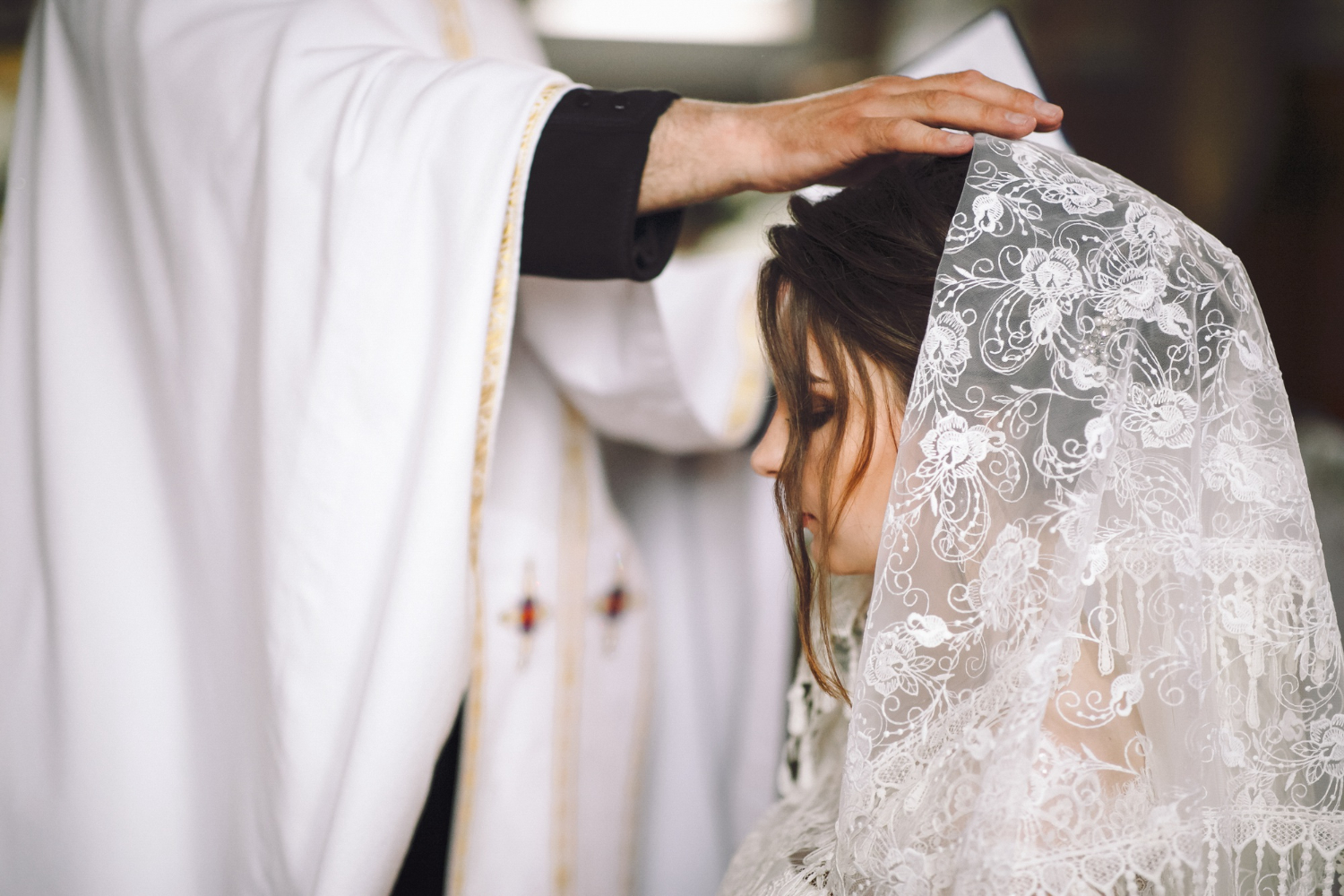
Interfaith marriage: an introduction
Can a Catholic woman marry a Muslim man?
Marriage is not just a union of two people, but also a meeting of two worlds that often differ in terms of culture, tradition, and religion. In today's world, where borders between countries are becoming increasingly fluid and people migrate and travel on an unprecedented scale, interfaith relationships are becoming more common. The question of whether a Catholic woman can marry a Muslim man is therefore extremely relevant. The Catholic Church allows for marriage with a person of another faith, but this involves certain formalities and obligations. In Islam, a Muslim man can marry a Christian woman, although interpretations may vary depending on tradition and region. The key to the success of such a relationship is mutual respect, understanding, and open communication. When planning a wedding between a Catholic woman and a Muslim man, it is worth taking care of every detail to ensure the ceremony is a harmonious blend of both traditions. Personalized wedding invitations that reflect the unique character of your relationship can be very helpful.
Definition and significance of interfaith marriages
Interfaith marriages are unions where partners follow different religions or belong to different spiritual traditions. The modern world, full of diversity and multiculturalism, fosters such relationships. Interfaith unions bring not only challenges but also immense benefits. Partners have the opportunity to broaden their horizons, learn about new traditions and customs, and enrich their lives with experiences they would not have in a single-faith relationship. However, for such a union to be successful, it is important to have understanding and acceptance of differences, as well as a willingness to find common ground. When organizing the wedding, it is worth including elements of both cultures, which will highlight the uniqueness of the ceremony and allow families to get to know each other better. Elegant place cards and personalized wedding favors will work perfectly here, serving as a lovely accent to the celebration.
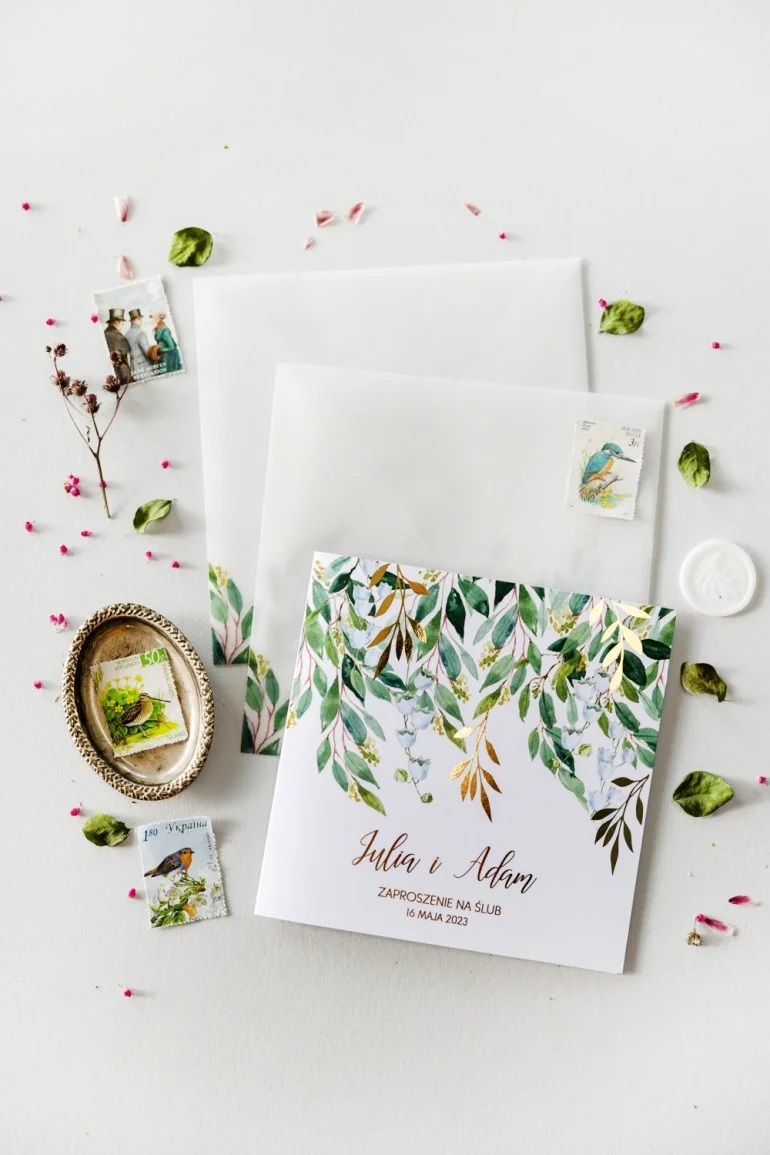
Wedding invitations with green leaves motif, gold accents, classic | Gold wedding invitations | Rubin no. 4
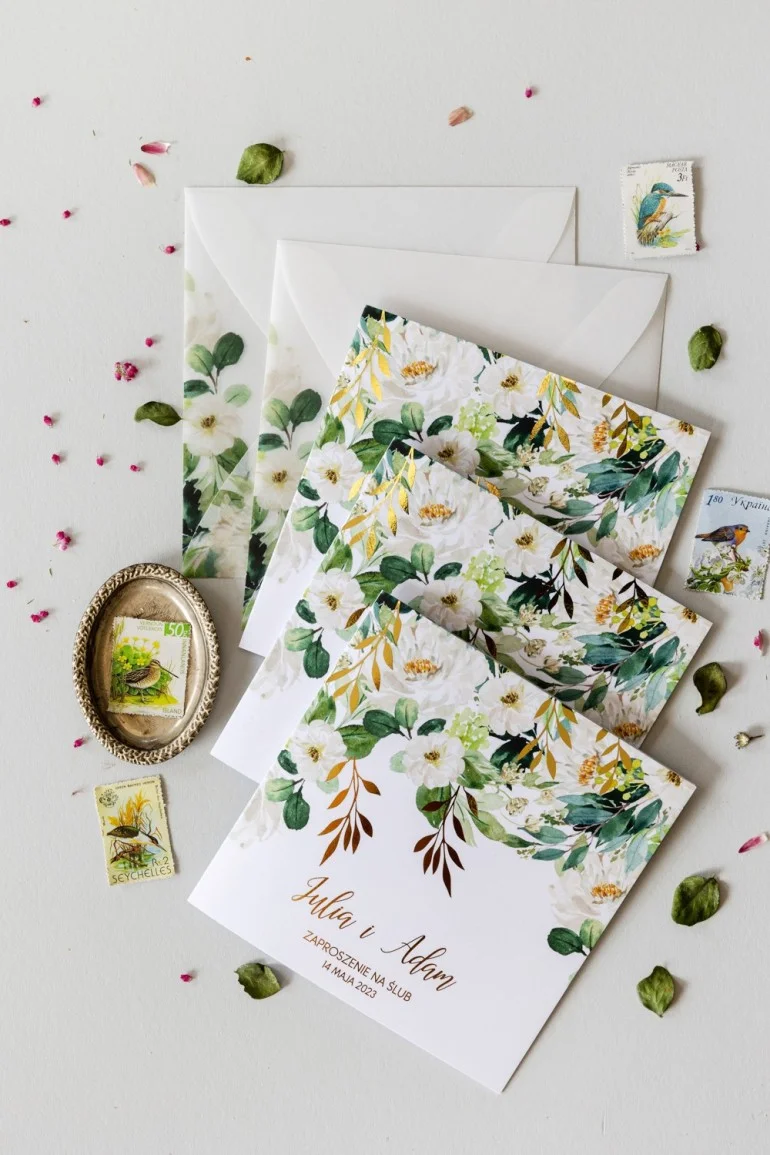
Stylish Wedding Invitations with Gold Accents, Watercolor Flowers | Exclusive Wedding Invitations | Rubin no. 1
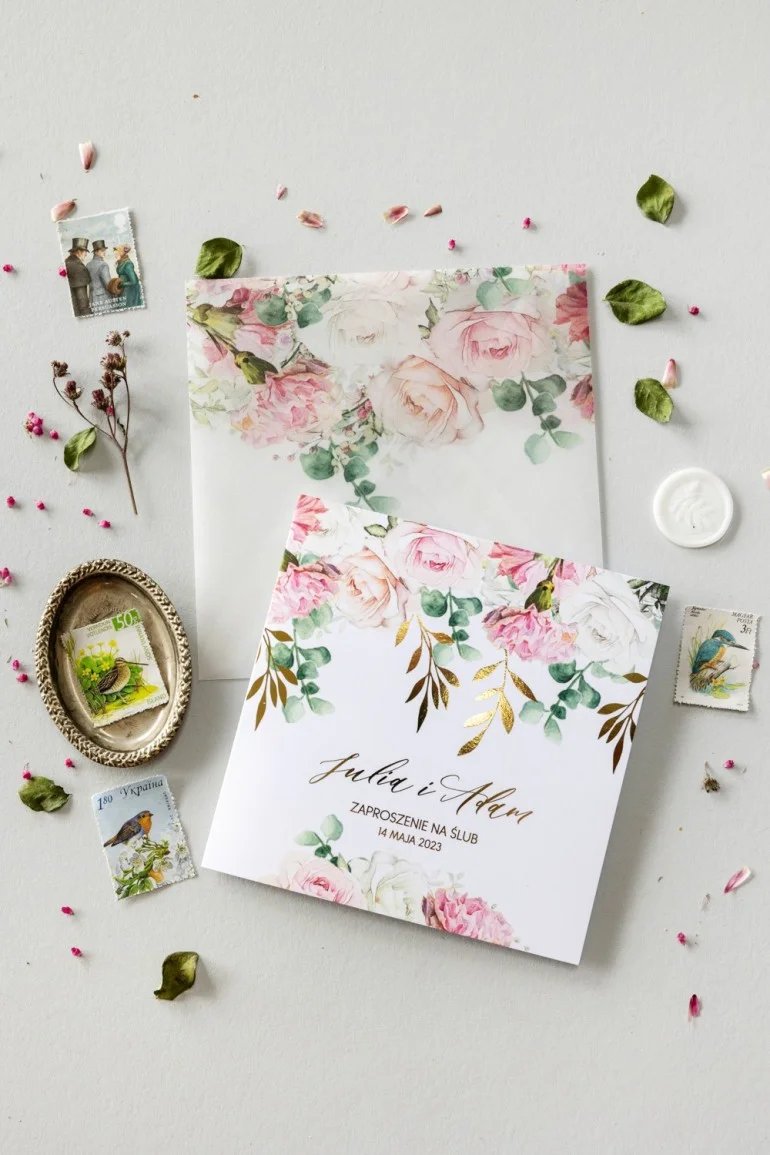
Wedding invitations with pink roses and gold foil, transparent envelope | glamour style wedding invitations | Rubin no. 9
Global statistics and trends in interfaith relationships
Over the last few years, there has been a significant increase in the number of interfaith marriages. Globalization, migration, and the development of communication technologies make it easier for people from different corners of the world to meet and build relationships. More and more people are choosing intercultural and interfaith unions, seeing them as an opportunity to enrich their lives with new experiences. Statistics indicate that in many countries, the number of such marriages is constantly growing, which testifies to increasing social openness and tolerance. However, such relationships also come with challenges, such as the need to reconcile cultural differences or meet family expectations. The benefits of diversity often outweigh the difficulties, and couples emphasize that overcoming obstacles together strengthens their relationship. When planning a wedding, it is worth using the services of professionals, such as amelia-wedding.pl, who will help harmonize the traditions of both sides and take care of every detail of the ceremony.
Table of contents
- Interfaith marriage: an introduction
- The Catholic Church's stance on marriages with Muslims
- The Islamic perspective on marriages with Christian women
- Procedures and formalities: how to organize the wedding?
- Cultural and religious differences: how to overcome them?
- Raising children in a Catholic-Muslim family
- Support and advice for couples planning an interfaith marriage
The Catholic Church's stance on marriages with Muslims
Canon law and mixed marriages
Canon law regulates the rules for marriage in the Catholic Church, including mixed marriages, which are unions between Catholics and people of another faith. According to Canon 1124 of the Code of Canon Law, marriage between a person baptized in the Catholic Church and a non-Catholic requires special permission, known as a dispensation. The Catholic Church recognizes the validity of such a marriage, provided that certain formal and spiritual requirements are met. Understanding these rules is crucial for a couple planning a wedding, especially when religious differences are involved. It is worth consulting a priest who will help navigate all the formalities and clarify any doubts. When planning the ceremony, don't forget about beautiful wedding invitations to inform your loved ones about this special day.
Ecclesiastical dispensation: when and how to obtain it?
An ecclesiastical dispensation is an official permission granted by the bishop for a mixed marriage. To obtain it, the Catholic party must submit an appropriate application to their parish. This process includes:
- A conversation with the parish priest, during which the motives for marriage and potential challenges related to religious differences are discussed.
- Filling out documents, including the request for dispensation and declarations regarding the upbringing of future children.
- Submitting the application to the diocesan curia, where the bishop or a priest authorized by him makes the decision to grant the dispensation.
This process is usually a formality, but it requires time and commitment from both sides. It is important to start it well in advance of the planned wedding date. After obtaining the dispensation, you can proceed with further preparations for the ceremony. Don't forget the details, such as elegant place cards, which will add charm to your reception.
Conditions set by the Church for such a marriage
The Catholic Church sets specific conditions for entering into a mixed marriage with a person of another faith, including a Muslim. The Catholic party commits to:
- Maintaining their faith and not abandoning religious practices.
- Doing everything in their power to ensure that children are baptized and raised in the Catholic faith.
The non-Catholic party, in this case, the Muslim, is informed of these obligations but does not have to formally accept them. However, it is important that both sides respect each other's beliefs and are ready for dialogue on religious issues. In practice, this means:
- Openness to compromises in matters concerning the upbringing of children.
- Respect for the partner's religious practices and avoiding situations that could lead to religious conflicts.
- Jointly determining how holidays and important celebrations will look in family life.
Entering into such a marriage is not just a matter of formalities, but above all, deep understanding and acceptance of differences, which can become a source of mutual enrichment. To highlight the uniqueness of your day, it is worth thinking about personalized wedding favors, which will be a nice touch and an expression of gratitude for the presence of loved ones at this important moment.
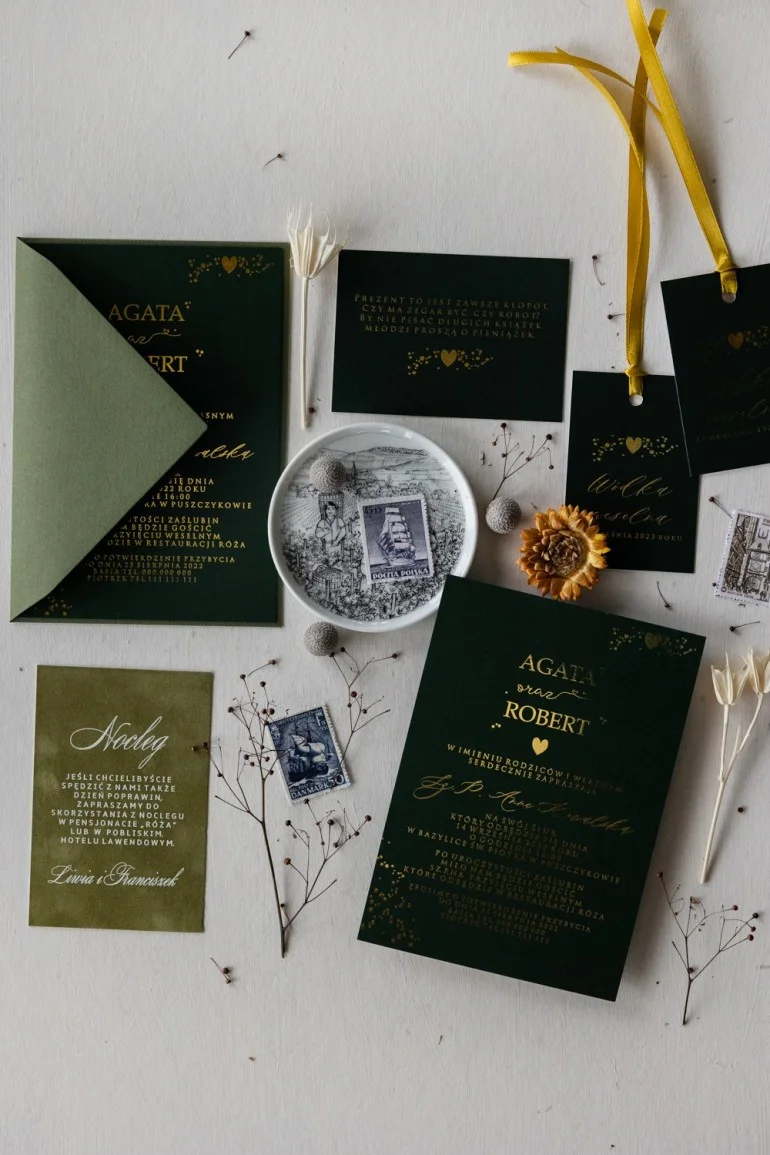
Single-card Wedding Invitations with gold foil | Simple no. 2
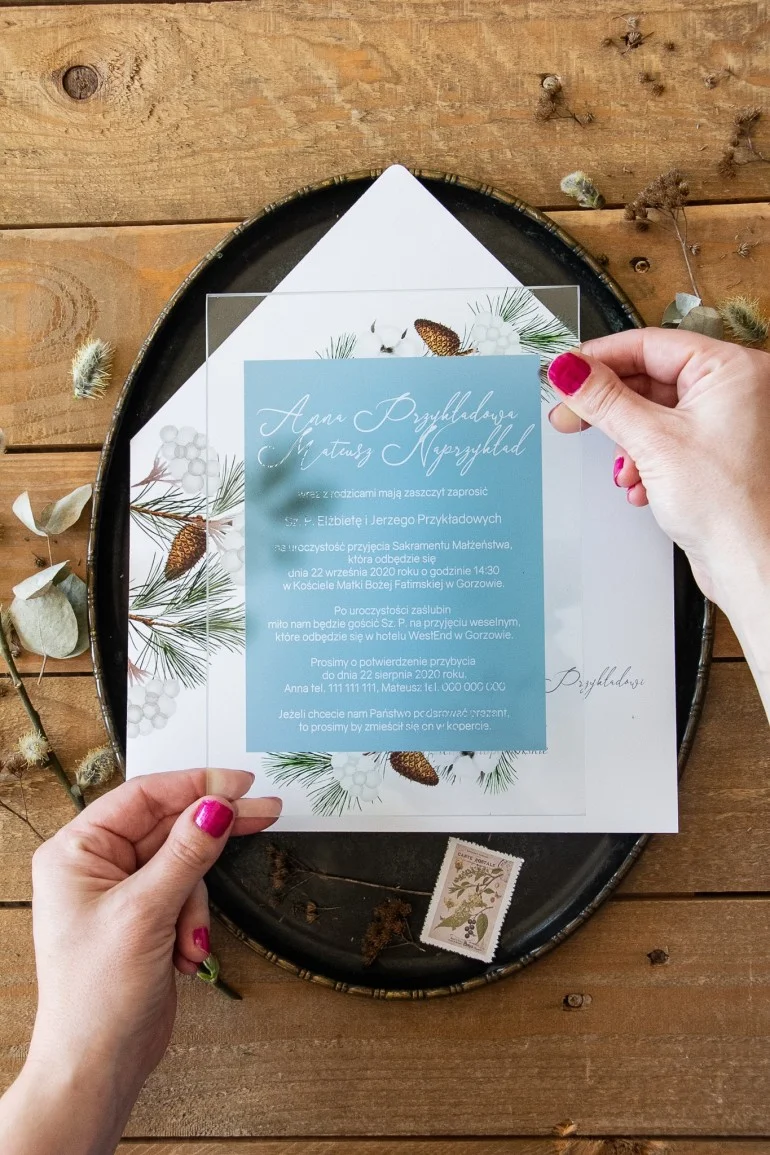
Extravagant Glass Wedding Invitations | Glass Winter Accent | Cotton & Pine | Korani no. 8
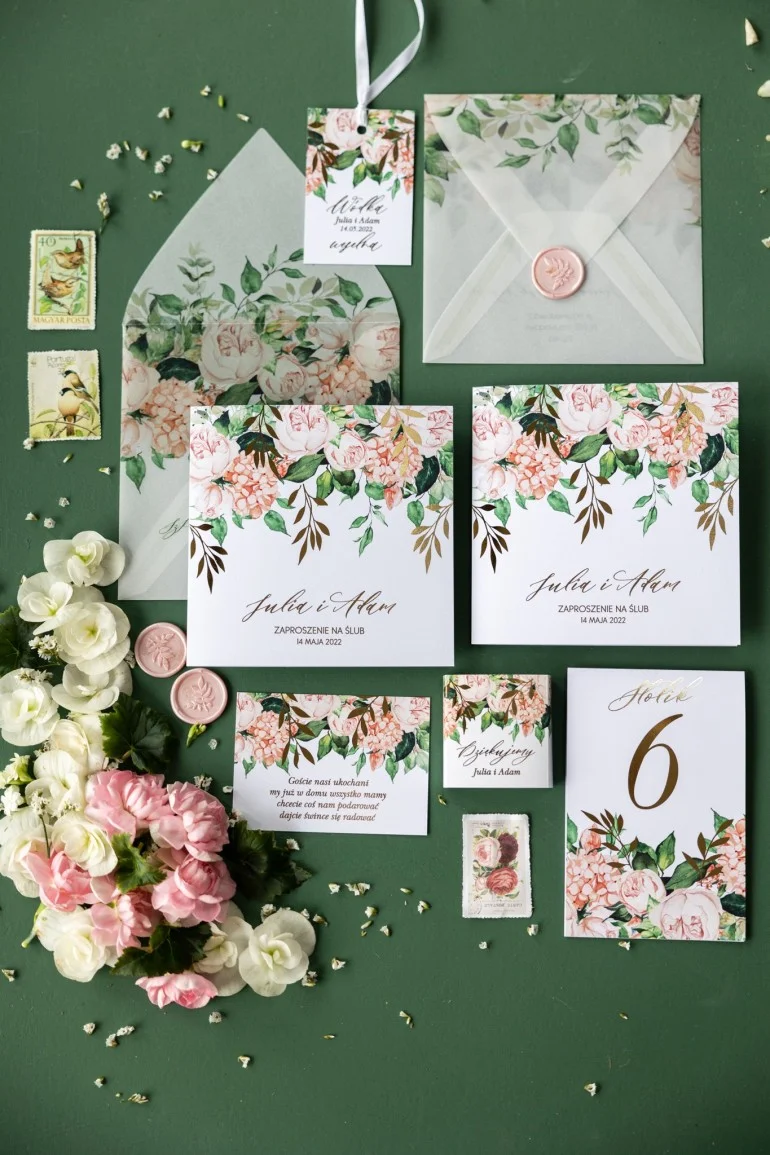
Unique Wedding Invitation with Gold Foil, Pink Peonies and Vellum Envelope | Unusual Wedding Invitations | Rubin no. 10
The Islamic perspective on marriages with Christian women
What does Sharia law say about marriages with non-Muslim women?
Sharia law regulates many aspects of a Muslim's life, including matters related to marriage. According to Islamic tradition, a Muslim man has the right to marry a woman from the so-called "People of the Book," i.e., a Christian or a Jew. Islam recognizes the common roots of these religions, which allows for a marriage between a Muslim man and a Christian woman. However, this is subject to certain conditions and expectations. Such a marriage is seen as a bridge connecting two traditions, which can enrich both the couple and their families. In practice, this means that a Muslim man marrying a Christian woman should ensure her freedom of religion and respect her beliefs. Islam and interfaith marriages is a complex topic, but with mutual understanding and respect, it is possible to create a harmonious relationship. When organizing such a unique wedding, it is worth taking care of every detail so that the ceremony reflects the combination of two cultures. Beautiful wedding invitations can subtly highlight the uniqueness of your day.
Requirements and expectations for a Christian wife
In Islamic culture, there are certain expectations for a Christian wife marrying a Muslim man. First and foremost, it is expected that she will respect her husband's religion and will not undermine his religious practices. Although conversion to Islam is not required, it is often encouraged, which can be seen as a step towards greater unity in the family. However, it is important that the decision to potentially change faith is fully voluntary and stems from personal convictions. Living together in an interfaith relationship requires a great deal of tolerance and openness. A Christian wife should be prepared to:
- Learn about and understand Islamic traditions,
- Participate in holidays and celebrations important to her husband,
- Respect religious practices such as prayer or fasting.
When planning the wedding, it is worth including elements of both traditions, which will allow families to get to know and understand each other better. Elegant place cards with motifs referring to both cultures can be an interesting accent on the wedding tables.
The issue of raising children in Islam
One of the most important aspects of interfaith marriages is the issue of raising children. In Islam, there is a strong preference for children to be raised in the Muslim faith. A Muslim man marrying a Christian woman often expects that their offspring will practice Islam. This is related to the belief in the necessity of passing on the faith to subsequent generations. For a Catholic woman, this can be a challenge, especially if she wants her children to also learn about her religious traditions. To avoid conflicts, it is important to:
- Discuss plans for raising children early on,
- Find compromises, such as introducing children to both religions,
- Respect the partner's beliefs and avoid pressure.
Creating a family in such an arrangement can be a rich experience if both sides are ready for dialogue and cooperation. Celebrating both Catholic and Muslim holidays together can enrich family life and teach children tolerance and openness. At the wedding reception, this can be highlighted through wedding favors that reflect the multicultural character of your relationship.
Procedures and formalities: how to organize the wedding?
Concordat wedding or civil wedding: what to choose?
When planning a wedding between a Catholic woman and a Muslim man, one of the first dilemmas is choosing the form of the ceremony. A concordat wedding is a combination of a church ceremony with the legal effect of a civil wedding, which is commonly practiced by Catholics in Poland. However, in the case of an interfaith marriage, there are additional issues to consider.
A civil wedding is religiously neutral and recognized by state law, which can be a simpler solution for couples of different faiths. It allows for the legalization of the union without the need to meet the religious requirements of both sides. On the other hand, a concordat wedding requires meeting church formalities and obtaining a dispensation, which can be more complicated in the case of religious differences.
It is also worth considering organizing two ceremonies: a civil one and a religious one, separately in the Catholic Church and according to Islamic tradition. Such a solution allows for respecting both traditions and gives the opportunity to experience this special day in a way that satisfies both sides. Regardless of the choice, the key is making a decision early and starting preparations to avoid unnecessary stress.
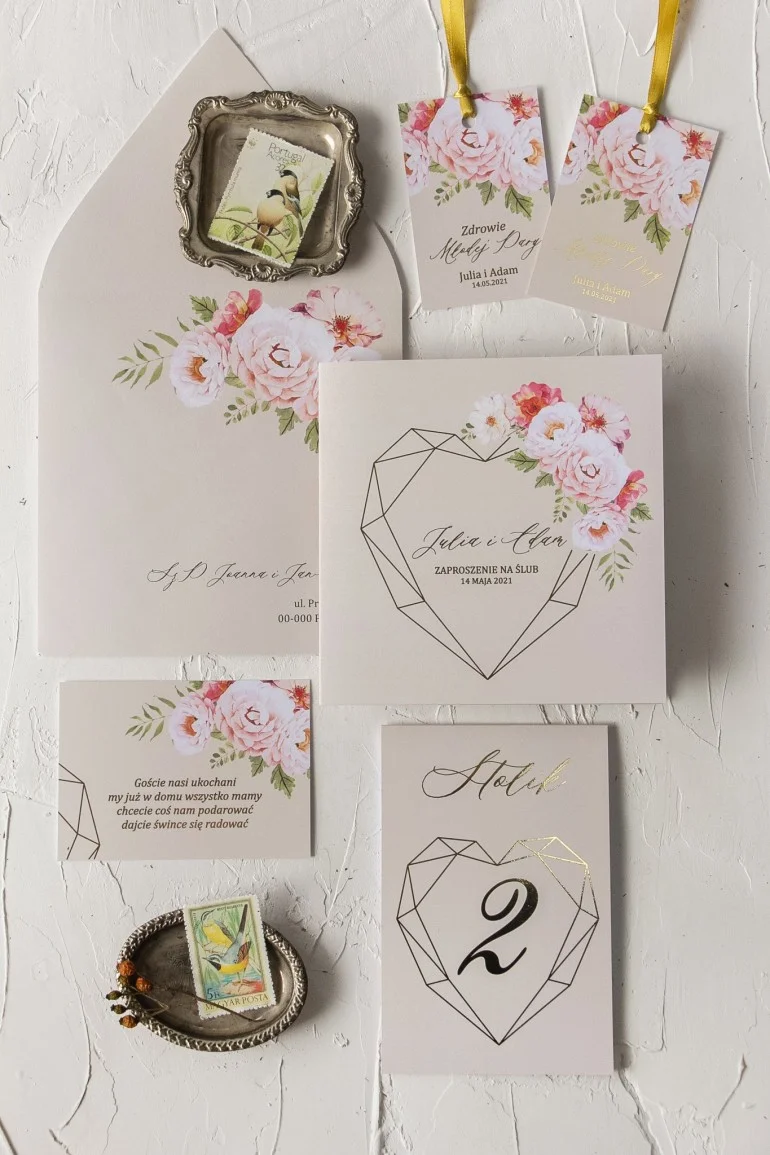
Wedding Invitations with Gold Heart and Floral Motif | Modern and Stylish | Sapphire no. 8
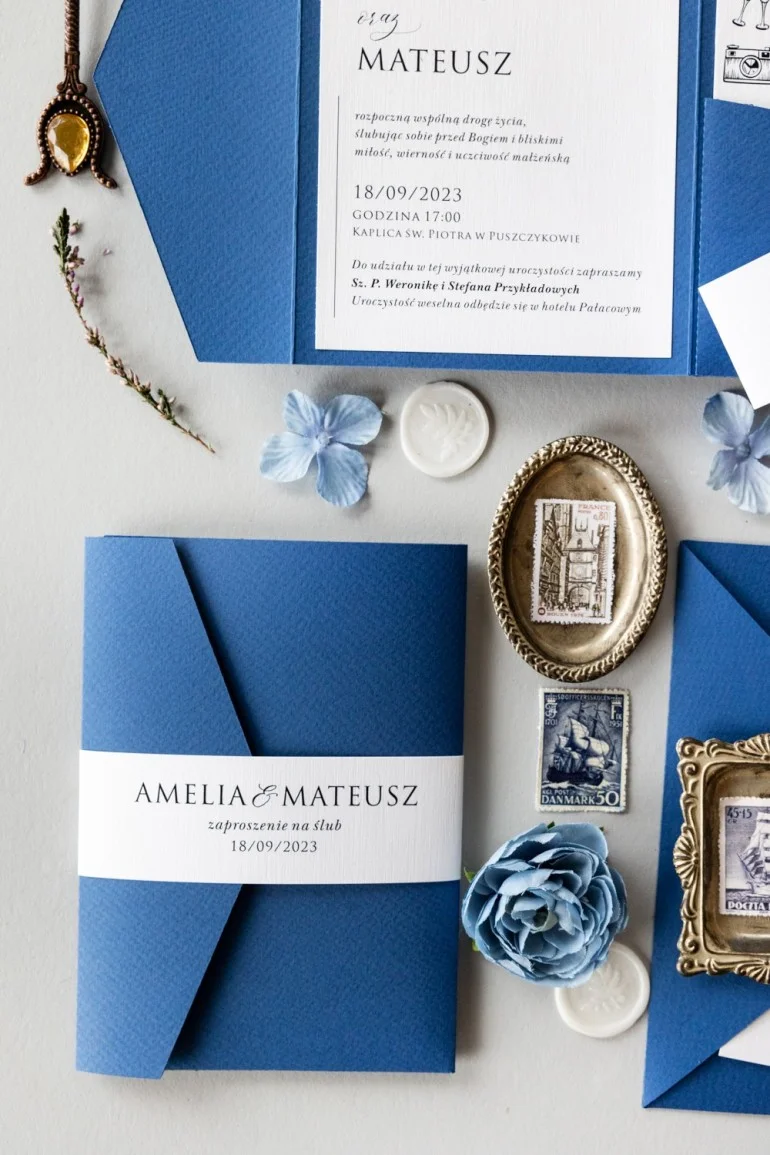
Blue, Elegant Wedding Invitation with Pocket and Personalization | Kraft no. 7
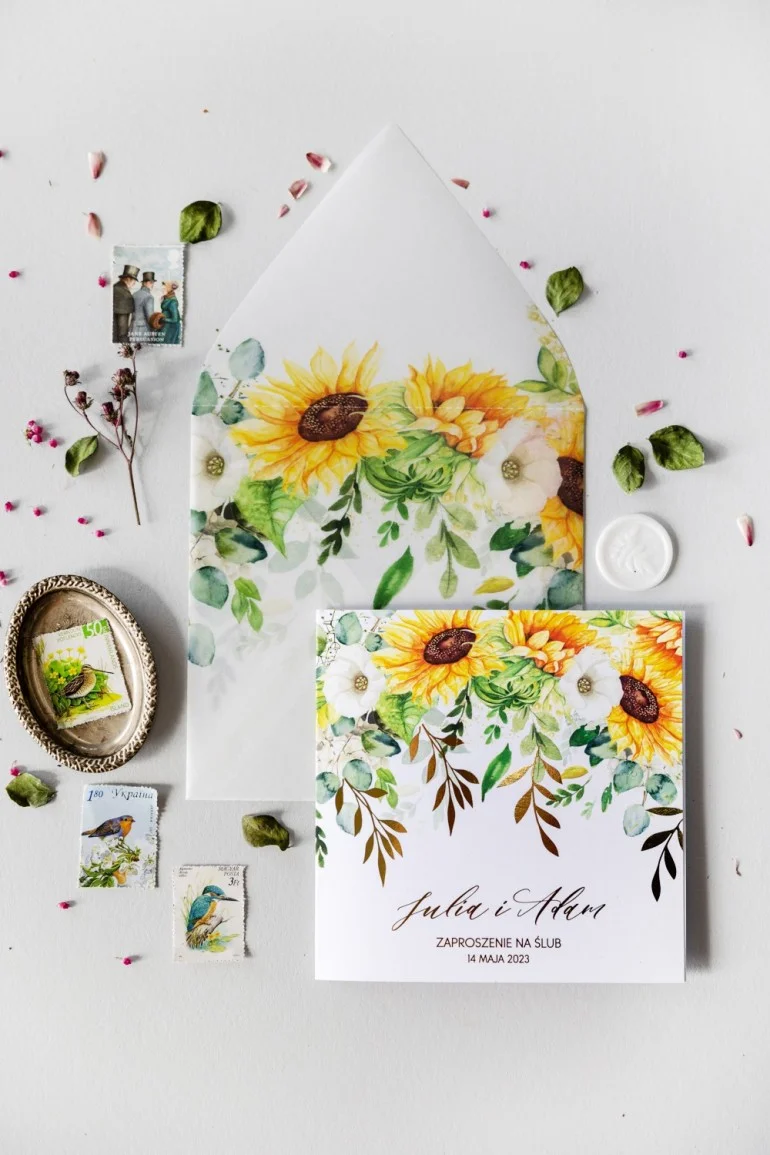
Wedding Invitations with Sunflowers and Gold Foil | Modern and Original | Rubin no. 7
Documents required in the Catholic Church
If you decide on a wedding in the Catholic Church, there are several formalities to fulfill. First of all, the Catholic party must obtain a dispensation from the bishop to marry an unbaptized person or a person of another faith. To do this, you must:
- Contact the parish priest and inform them of the intention to enter into a mixed marriage.
- Present the required documents, such as the baptismal certificate of the Catholic party, confirmation certificate, and a certificate of participation in pre-marital courses.
- Submit an application for dispensation, in which the Catholic party commits to maintaining their faith and doing their best to ensure that children are raised in the Catholic tradition.
The Muslim party may be asked for a document confirming their single status; a sworn translation of documents into Polish is also often required. It is important to start all formalities well in advance, as the process of obtaining a dispensation can take several weeks.
When organizing the ceremony in the Catholic Church, it is worth taking care of details that will highlight the uniqueness of your wedding. Elegant decorations, appropriately chosen music, and personalized elements can make the ceremony unforgettable. It is worth checking out the offer at amelia-wedding.pl, where you will find a wide selection of wedding products tailored to your needs.
Formalities according to Islamic law
If you are also planning a ceremony according to Islamic tradition, you should familiarize yourself with the formal requirements necessary for an Islamic wedding. In Islam, marriage is considered a contract between two parties, and the wedding ceremony is called nikah. To perform it, it is necessary to have:
- Consent of the bride's guardian (wali), although for adults in Poland this is not formally required, it may have symbolic significance.
- The presence of two Muslim witnesses who will attest to the conclusion of the marriage contract.
- Setting the mahr, which is a gift from the groom to the bride, serving as her financial security.
The ceremony can be conducted by an imam or another competent person familiar with the principles of Islamic law. It is worth consulting with the local Muslim community or an Islamic cultural center to obtain detailed information and help with organization.
When planning an Islamic wedding, just as with a Catholic ceremony, details are important. Decorations referring to both cultures, an appropriate choice of menu, and including traditional elements can make your reception unique. Remember to plan time for both ceremonies if you decide to hold them separately.
Organizing an interfaith wedding may seem complicated, but with the right approach and planning, it will become a wonderful adventure. The key is mutual respect and open communication, as well as using the help of professionals who will help you realize your dreams of an ideal day. Amelia-wedding.pl offers a wide range of products and services that will facilitate the organization of this special event.
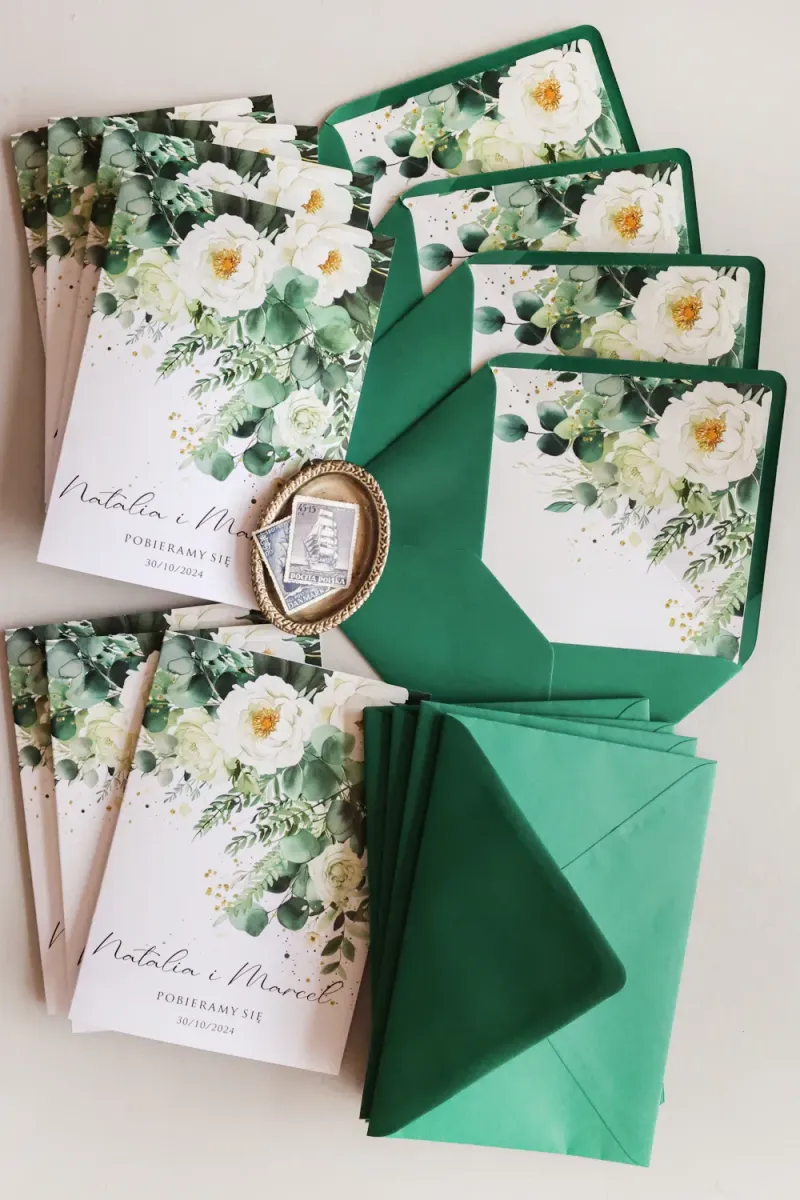
Wedding Invitations with white flowers and green accents | minimalist invitations with personalization | Impresja no. 9
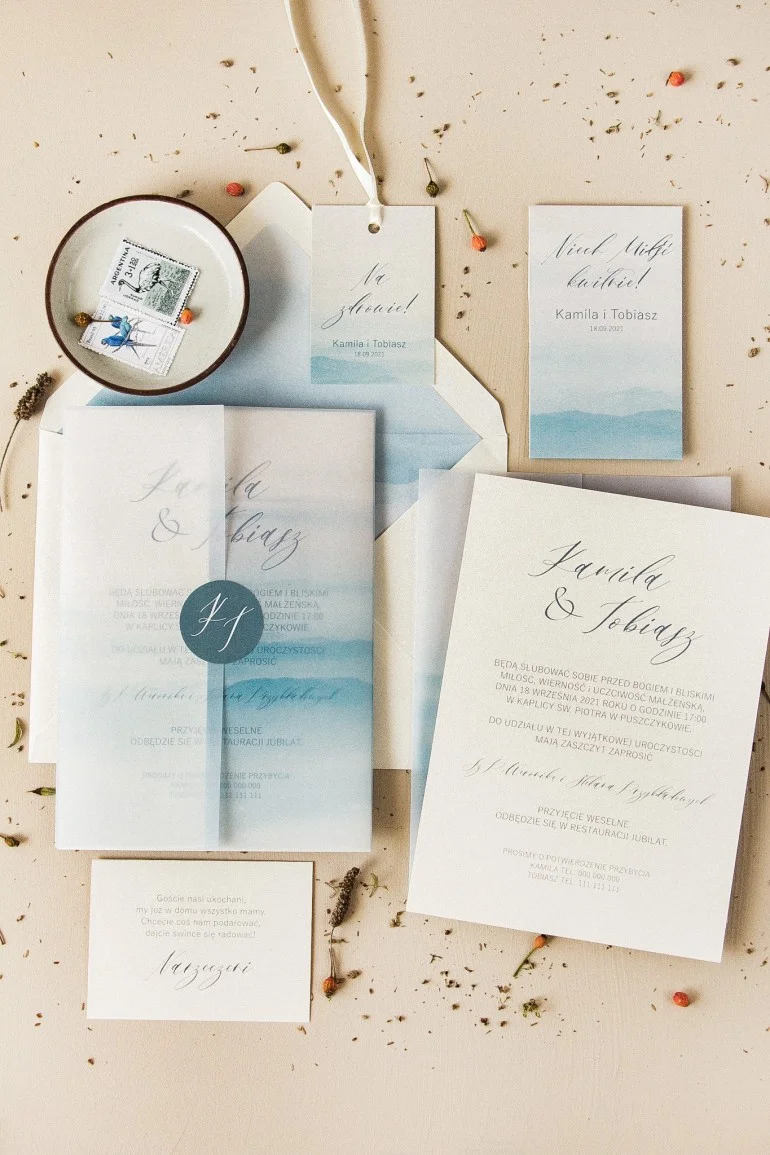
Elegant Wedding Invitations with Vellum | Watercolor and Pearlescent | Opal no. 4
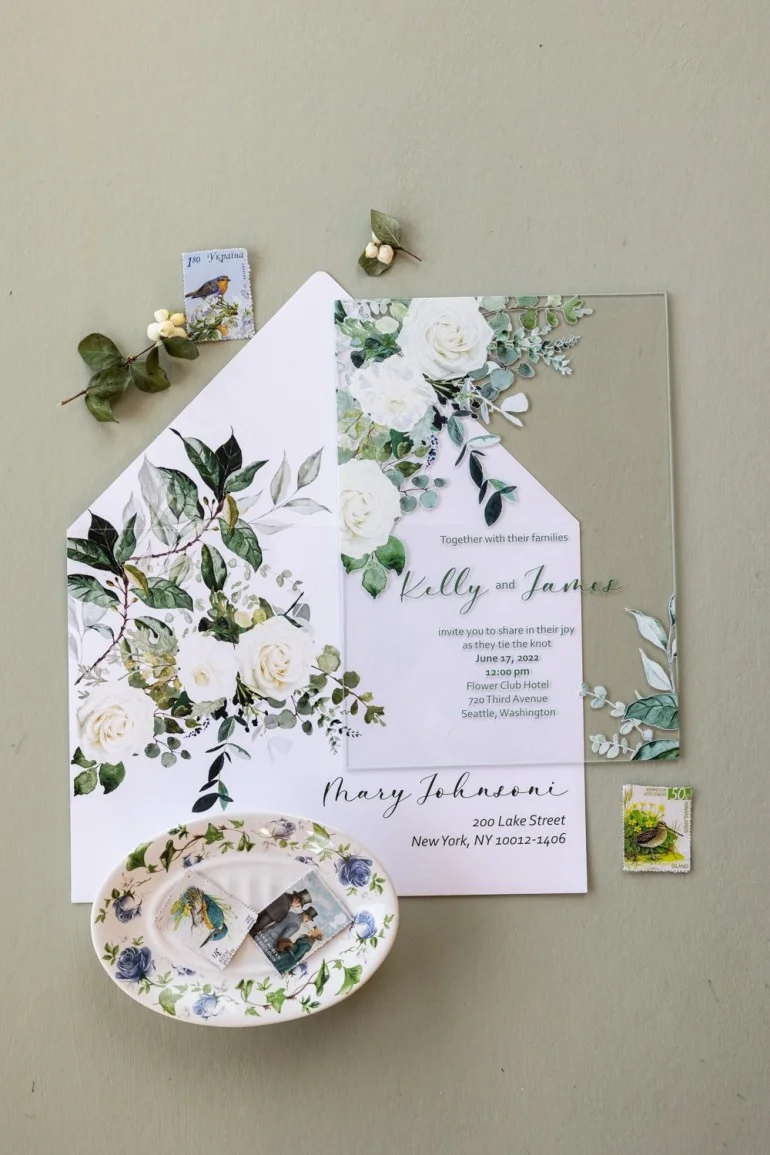
Floral Elegance Glass Wedding Invitations with White Roses and Greenery Envelope | Korani no. 12
Cultural and religious differences: how to overcome them?
Most common challenges in interfaith relationships
Interfaith relationships, such as between a Catholic woman and a Muslim man, bring with them an extraordinary wealth of experiences, but also challenges resulting from cultural and religious differences. One of the most common problems is the different perception of the role of family and tradition. In Muslim culture, the family often plays a key role in decision-making, while in Western culture, greater emphasis is placed on individualism. Religious practices, such as prayer, fasting, or participating in holidays, can lead to misunderstandings if they are not discussed properly. Another challenge is acceptance by families on both sides, who may have concerns related to religious differences. Differences in wedding traditions can affect the organization of the ceremony, from the choice of venue, through the rites, to the wedding menu. To meet these challenges, it is worth investing time in deeply learning about the partner's culture and religion, which will allow for better understanding and building a stronger relationship.
Communication strategies and mutual understanding
Effective communication is the foundation of every successful relationship, and in the case of interfaith couples, it takes on special significance. The key is openness and honesty in conversations about expectations, values, and beliefs. It is worth regularly engaging in dialogue on issues important to both sides, such as raising future children, participating in religious practices, or celebrating holidays. The art of listening is invaluable here – it is important not only to express your opinion but also to listen carefully to the partner's perspective. Compromise becomes an essential tool in situations where differences seem insurmountable. This may mean, for example, participating together in the holidays of both religions or establishing a schedule of religious practices at home. It is also worth using support from specialists, such as marriage counselors or intercultural mediators, who will help develop effective communication strategies. When planning the wedding, personalized elements, such as wedding invitations incorporating motifs from both cultures, can become a symbolic expression of your unity.
The importance of respect for the partner's traditions and customs
Respect for the partner's traditions and customs is the foundation upon which a lasting and happy interfaith relationship can be built. This means accepting and appreciating the differences that divide you, and seeing them as an opportunity to enrich your own life. In practice, this may include participating in the partner's religious rites, learning about their culture through cooking traditional dishes together, or learning the language. Incorporating elements of both traditions into everyday life and important celebrations, such as the wedding, can help build a shared identity as a couple. For example, during the ceremony, you can include rituals characteristic of both religions, which will be an expression of mutual respect and love. When organizing the wedding reception, it is worth checking out the offer at amelia-wedding.pl, where you will find unique wedding decorations and accessories inspired by different cultures. Wedding favors can contain elements symbolizing your connection, and place cards with motifs from both traditions will add charm to the wedding tables. Remember that creating a shared cultural space is a process that requires time and commitment, but brings satisfaction and a deep sense of fulfillment.
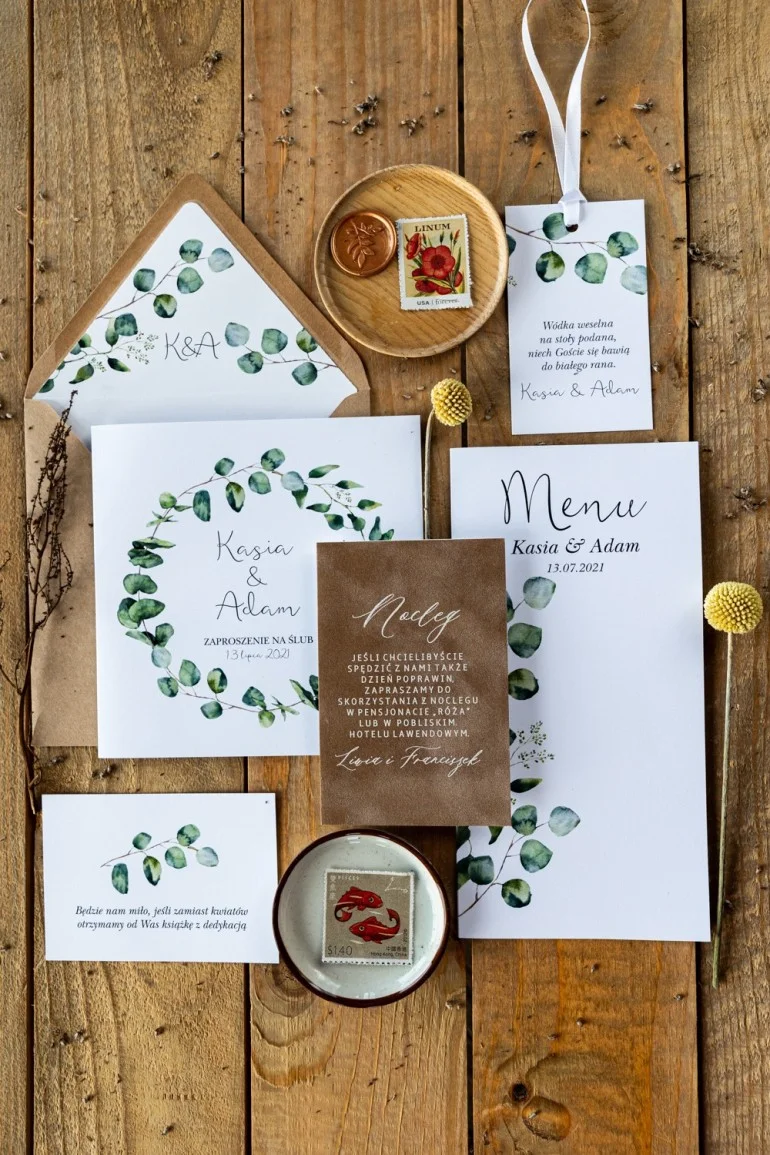
Eco-friendly Invitation with Greenery Styling | Wedding Invitations in eco envelope | Kalia no. 2
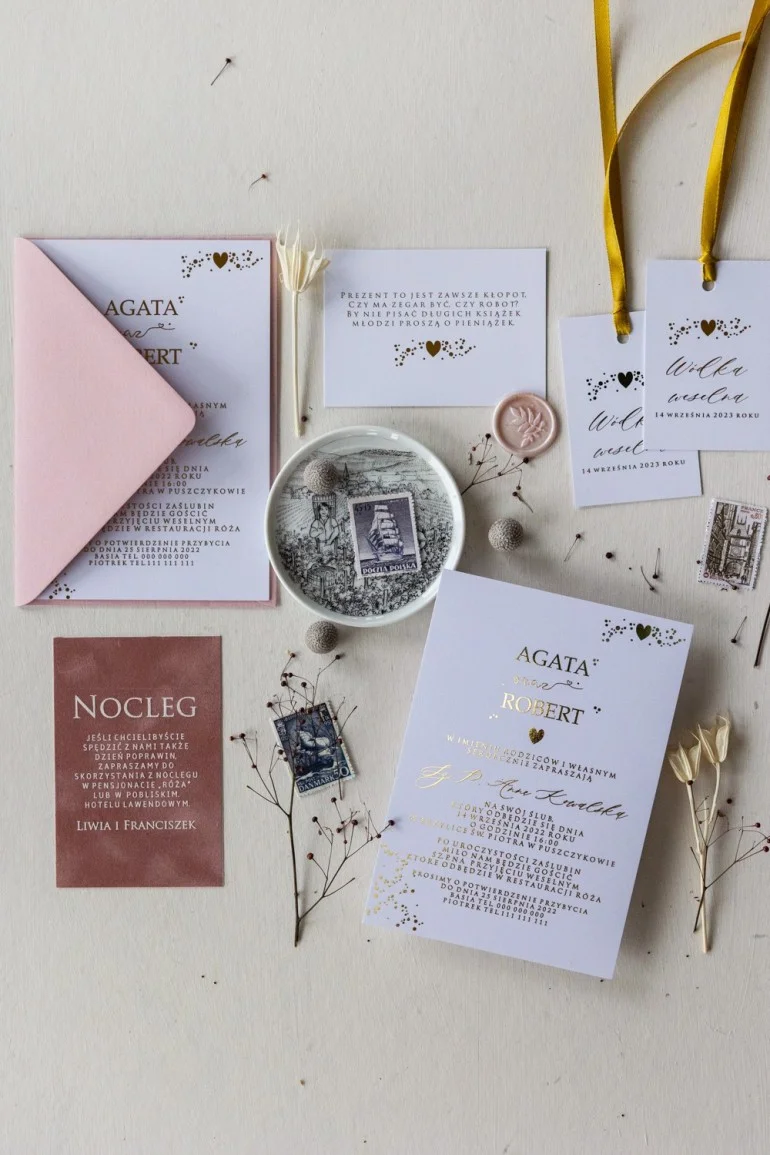
Subtle Wedding Invitations, Minimalist Design with Gold Elements | Simple no. 3
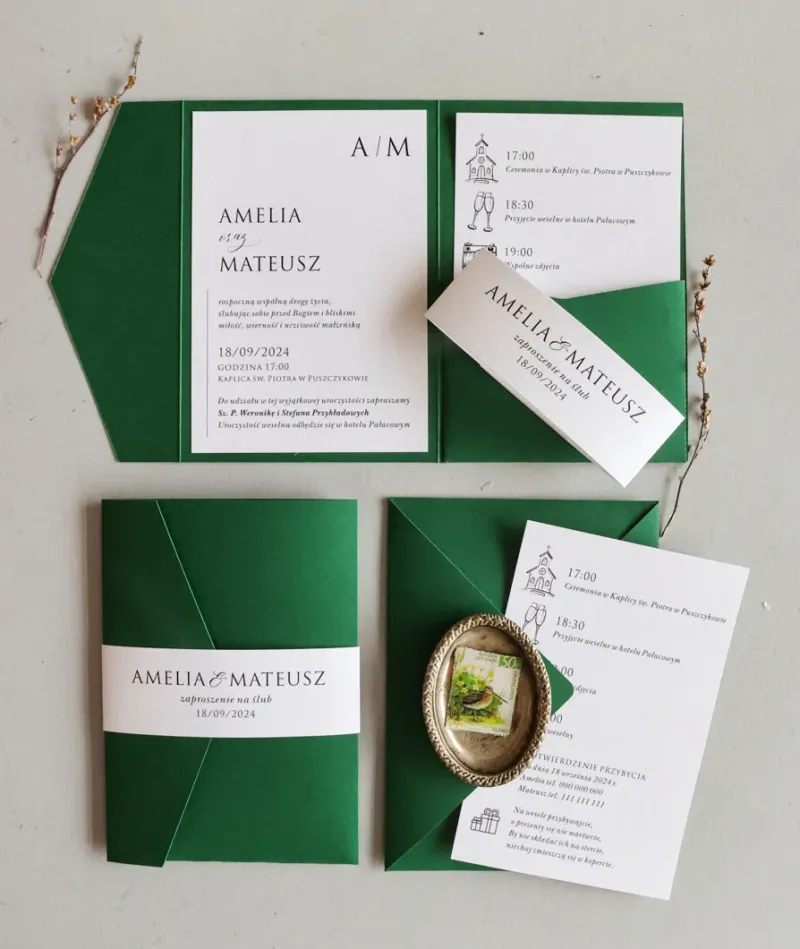
Elegant Wedding Invitations in Bottle Green Shades | Minimalist Design and Modernity | Kraft no. 10
Raising children in a Catholic-Muslim family
Decisions regarding religion and children's education
Raising children in a Catholic-Muslim family is a unique challenge that requires parents to have a conscious approach and openness. It is crucial to establish a shared parenting strategy that takes into account the values and beliefs of both sides. Already at the wedding planning stage, it is worth having deep conversations about the future of children, their education, and religious practices. Decisions regarding baptism, circumcision, participation in services, or religious holidays should be made together, with respect for the partner's traditions. It is important that children feel accepted and loved, regardless of the chosen spiritual path. Joint arrangements will help avoid misunderstandings in the future and create solid foundations for a harmonious family life.
Combining two traditions in the family's daily life
Combining two traditions can be extremely enriching for both children and the parents themselves. Introducing elements of Catholic and Muslim culture into daily life allows children to learn about and appreciate diversity. Celebrating holidays together, such as Christmas, Easter, Ramadan, or Eid al-Fitr, can become a wonderful opportunity to build family traditions. Children can participate in various rites and rituals, which will help them understand and respect both religions. In daily life, it is worth introducing elements of both cultures, such as food, music, or stories, which will make the home a place full of warmth and acceptance. Personalized decorations and accessories, available at amelia-wedding.pl, can help create a unique atmosphere during family celebrations.
Spiritual and educational support for children
Providing children with appropriate spiritual and educational support is crucial for their development in an interfaith family. Parents should enable children to learn about both religions so that they can consciously shape their identity. This can be achieved through:
- Reading together passages from the Bible and the Quran,
- Participating in services both in church and in the mosque,
- Conversations about the values and principles of both faiths. It is also worth looking for support groups or communities of interfaith families who share experiences and advice. The role of family and surroundings is invaluable in shaping children's attitudes, so it is important that grandparents and relatives also show understanding and acceptance. Children raised in a spirit of tolerance and respect for different traditions often grow up to be open and empathetic individuals. When organizing important events in a child's life, such as birthdays or graduation, it is worth including elements of both cultures. Thanks to this, children will feel that their multicultural heritage is a reason to be proud. Amelia-wedding.pl offers a wide selection of products that can make such celebrations more attractive and highlight their unique character.
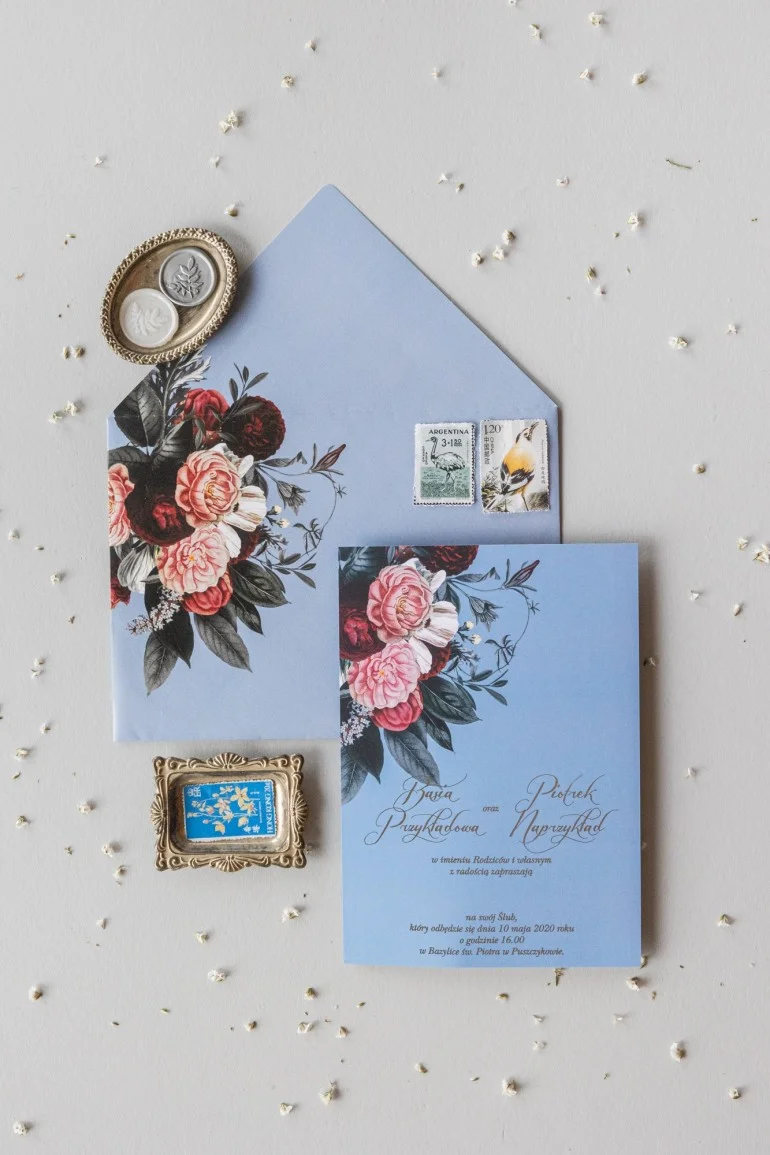
Glamour Invitations with Silver text and burgundy-pink bouquet | Elegant wedding invitations | Pastel no. 1

Wedding Invitations with Winter Theme with Silvering | Pastel no. 6
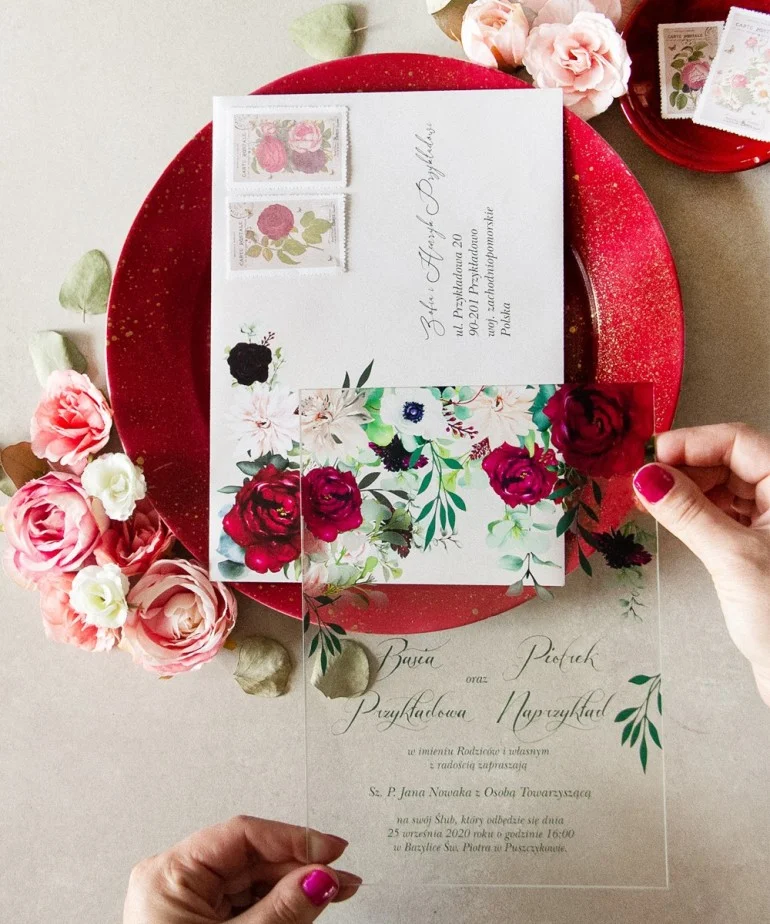
Elegant Glass Wedding Invitations with Floral Motif | Korani no. 4
Support and advice for couples planning an interfaith marriage
Where to look for help: counseling and consultations
When planning an interfaith marriage, such as a union between a Catholic woman and a Muslim man, it is worth using professional support that will help in overcoming potential challenges. Family counseling centers and specialists in intercultural marriages offer consultations that can prove invaluable in the preparation process. In such places, couples can:
- Learn communication mechanisms in intercultural relationships,
- Understand religious and cultural differences that may affect the relationship,
- Learn to resolve conflicts resulting from different traditions.
Workshops and training organized by church institutions and non-governmental organizations are a great opportunity to deepen knowledge about life in an interfaith relationship. Additionally, meetings with clergy of both religions can help in understanding the spiritual aspects of marriage and prepare the couple for life together. It is also worth looking for support groups where you can exchange experiences with other couples facing similar challenges. Such actions allow for building solid foundations for a future marriage, which is crucial for its success.
Experiences of other couples: case studies
Stories of couples who have successfully overcome cultural and religious differences can be a source of inspiration and hope. Examples of such relationships show that love, respect, and understanding are able to overcome any obstacles. One such story concerns Anna and Ahmad, who met during their studies in Warsaw. Despite initial concerns from their families, they managed to organize a wedding combining elements of both traditions, which became a symbol of their unity. The ceremony took place in a picturesque setting, and thanks to personalized decorations from amelia-wedding.pl, they managed to create a unique atmosphere.
Another couple, Maria and Karim, emphasizes the importance of open communication and readiness to compromise. Together, they decided on two wedding ceremonies – a civil one in Poland and a traditional one in Karim's country of origin. Thanks to this, both families could fully participate in their happiness. Their story shows that flexibility and creativity in the approach to wedding organization can bring amazing results. It is worth drawing from the experiences of others to better prepare for your own path.
The importance of tolerance and openness in building a relationship
In an interfaith marriage, tolerance and openness are key, allowing for the harmonious coexistence of two different worlds. Respect for the partner's beliefs and traditions is the foundation upon which a lasting and happy relationship can be built. This means not only accepting differences but also actively taking an interest in the beloved's culture and religion. In practice, this may include:
- Participating in important holidays and rites of both religions,
- Cooking traditional dishes together from both cultures,
- Learning the basics of the partner's language, if it is different from your native one.
Such actions not only enrich daily life but also strengthen the bond between partners. Creating new family traditions together that combine elements of both cultures can become a source of joy and pride. Organizing the wedding is a perfect opportunity to show this unity. Thanks to products from amelia-wedding.pl, such as personalized wedding invitations or wedding decorations, you can subtly highlight the unique character of the celebration.
Remember that love knows no borders, and differences can become an asset if we approach them with an open heart. Building a shared future is based on mutual understanding and a willingness to learn from each other. By supporting and respecting each other, interfaith couples have the chance to create a unique and lasting relationship that will be an inspiration for others.
We encourage you to read other articles on our blog
If you are interested in the topic of organizing an interfaith wedding and want to learn more about planning this special day, we recommend several of our articles:
-
How to organize a themed wedding: from boho to retro – discover how to give your wedding a unique character by combining different styles and traditions.
-
Practical tips on wedding guest seating – learn how to effectively seat guests so that everyone feels comfortable and has a good time.
-
How to engage guests in the wedding and reception – discover ideas for integrating guests and creating an unforgettable atmosphere during the celebration.
-
Tips on choosing and buying wedding rings – read how to choose rings that will be the perfect symbol of your love and unity.
-
How to invite parents to the wedding – check out how to invite your loved ones to this special day in an elegant and touching way.
We invite you to visit our blog amelia-wedding.pl, where you will find many inspirations and practical tips that will help you organize your dream wedding and reception.